
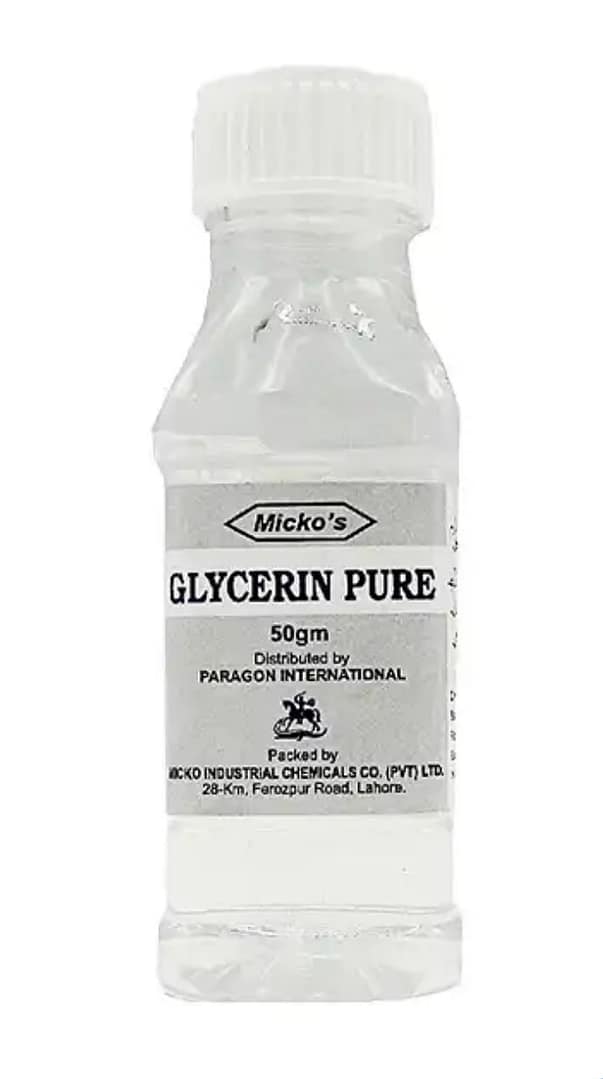
If cosmetic ingredients had a VIP lounge, glycerin would be lounging in cashmere joggers with a glass of iced water — calm, reliable, and somehow in every single party pic. It’s the humectant that doesn’t chase hype but still gets into everything from $120 creams to your grandma’s old Neutrogena. Where Glycerin Actually Comes From Glycerin (also glycerol) was first produced way back in 1779 by Swedish chemist Carl Wilhelm Scheele in the process of heating olive oil with lead oxide. Yes, it was that long ago. It occurs naturally in fats and oils (animal or plant) and today is mostly made from plant oils like palm, coconut, or soy.
Category: Cosmetic Ingredients
Pentylene Glycol — A Deep Dive
Listen: pentylene glycol is the quietly useful guest at the skincare party who brings the dip, the playlist, and somehow also fixes the Wi-Fi. It’s boring on paper (a short-chain diol), but it shows up everywhere! From your fancy hydrating serum to that drugstore hand cream you impulse-bought in the checkout line. Let’s unpack what it is, how it’s used, whether it’s secretly evil, and why brands love it so much. What the Heck Is It? Pentylene glycol (INCI: Pentylene Glycol, sometimes appearing as 1,2-pentanediol) is a small, water-soluble glycol… Basically a humectant/solvent with some antimicrobial oomph. It’s a lab-made (synthetic)
Sclerotium Gum: The Mushroom Goo That Holds Your Skincare Together
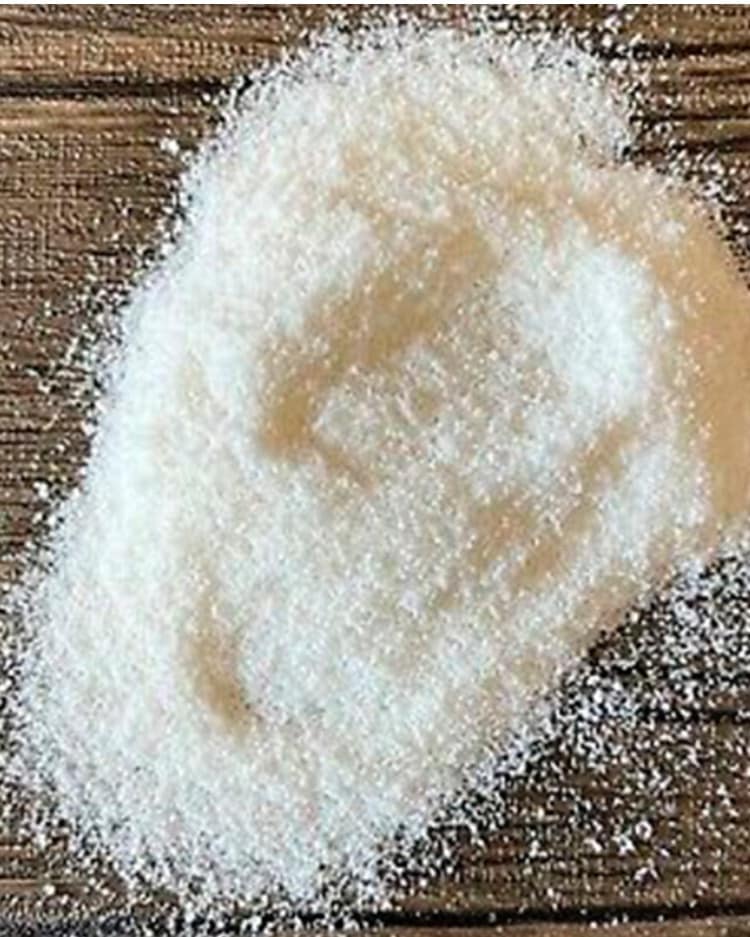
When you flip over your moisturizer and squint at the ingredients list like you’re trying to read the fine print of a sketchy lease agreement, chances are you’ve seen sclerotium gum hanging out near the bottom. It sounds like something that escaped from a high school biology textbook, but no. It’s in your skincare, and it’s probably doing more heavy lifting than you think. From Mushrooms to Moisturizer At its core, sclerotium gum is a polysaccharide, which is a big, science-y word for “a chain of sugar molecules that like to stick together.” Unlike some ingredients that are whipped up in a lab
PEG-40 Hydrogenated Castor Oil: The Ingredient That Won’t Quit
Ah yes, PEG-40 Hydrogenated Castor Oil. The kind of name that makes you wonder if chemists are just mashing the keyboard at this point. Spoiler: they’re not. This little multitasker has been hanging around the cosmetic industry longer than TikTok trends last (and honestly, more reliably). Let’s dig into what it is, why it exists, and whether or not you should care. Origins: From Grandma’s Laxative to Your Lip Gloss First, the “castor oil” part. Castor oil comes from the seeds of the castor bean plant (Ricinus communis). Yes, the same plant that produces ricin — the extremely deadly poison featured in like,
The Scented Truth: Fragrance in Cosmetics
You know what sucks? Spending $85 on a moisturizer that smells like a botanical garden and then finding out it might be ruining your skin barrier and inflaming your sinuses. Welcome to the chaotic world of fragrance in cosmetics—where everything smells suspiciously like roses, but costs more than your student loan payment. Let’s sniff our way through the history, science, and scandal of cosmetic fragrance. Yes, that’s a sentence I just typed on purpose. 💐 A Brief History of Smelling Fancy Fragrance in cosmetics is not new. Ancient Egyptians were slathering themselves in scented oils around 3000 BCE because hygiene was a flex and a
Disodium EDTA: The Unsung (But Kind of Suspicious) Hero of Your Skincare Products
Let me introduce you to the skincare ingredient that’s basically the backstage manager of your beauty routine: Disodium EDTA. It’s not glamorous. It doesn’t promise dewy skin or erase your pores with the fury of a thousand airbrushes. But it is in everything. Serums? Check. Face wash? Check. That suspiciously budget-friendly lotion you picked up at Target during a moment of emotional weakness? Double check. And yet… you probably don’t know what it does. That’s OK. I didn’t either. So let’s pull back the curtain and look at this unassuming little ingredient that’s silently holding your products together like the world’s most chemically
Centrimonium Bromide: The Smooth Talker in Your Conditioner Bottle
Let me paint you a picture: you’re in the shower, massaging that silky, sweet-scented conditioner into your hair, fantasizing about emerging like a Pantene commercial. And your hair does feel softer. Less tangled. A little like you’ve got your life together. You can thank a stealthy little ingredient for that: centrimonium bromide. It doesn’t get star billing. It’s the session musician of haircare—rarely recognized, yet absolutely essential. But what is it, exactly? Let’s break down the origin, history, function, and, yes, the juicy pros and cons of this unsung hero of the INCI list. What Is Centrimonium Bromide? Centrimonium bromide (a.k.a. CTAB if you’re
Pentylene Glycol PEG-6 Caprylic/Capric Glycerides: What the Hell Is This, and Should You Be Smearing It on Your Face?
Listen. I get it. You’re trying to be an informed, responsible consumer, but cosmetic ingredient lists read like a Mad Libs page designed by a drunk scientist. Somewhere between “Butyrospermum Parkii Butter” (which, despite its aggressively medical name, is just shea butter) and “Tromethamine” (sounds like a failed 2000s pop punk band), you encounter Pentylene Glycol PEG-6 Caprylic/Capric Glycerides—and your brain promptly leaves the chat. So what is this multi-hyphenate monstrosity? Should you avoid it? Is it a scam? Should you tattoo its chemical structure on your forearm in a desperate bid to appear both intelligent and effortlessly cool? Don’t worry,
Avène Thermal Spring Water: The Ingredient That Thinks It’s Better Than Other Water (And Might Be Right)

So here’s the thing—I kept seeing Avène Thermal Spring Water in Avène products, and I had questions. Why does this brand have its own special water? Is it actually doing something, or is this just another case of fancy French marketing? Am I about to get scammed by glorified water? Being the inquisitive (read: deeply skeptical) person that I am, I decided to dig into the science. Turns out, Avène’s water is different from the stuff coming out of your sink, and it might actually be worth the hype. Let’s break it down. What Is Avène Thermal Spring Water? Avène Thermal Spring Water is not just H₂O with
Talc: The Powder, the Myth, the Legend
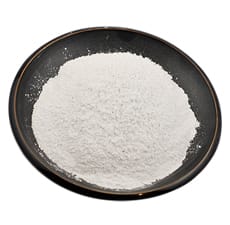
Ah, talc. The Cinderella of cosmetic ingredients. This humble mineral has spent centuries getting gussied up, sent to the beauty ball, and thoroughly maligned by suspicious onlookers who insist it’s hiding a dark secret. Talc is in everything from eyeshadow to deodorant to baby powder, and yet it’s more controversial than pineapple on pizza. Today, we’re going to powder our noses with knowledge and answer the age-old question: Is talc the unsung hero of your vanity or a villain lurking in your makeup bag? Spoiler alert: It’s a little of both. What Is Talc, and Where Does It Come From? Talc is a