
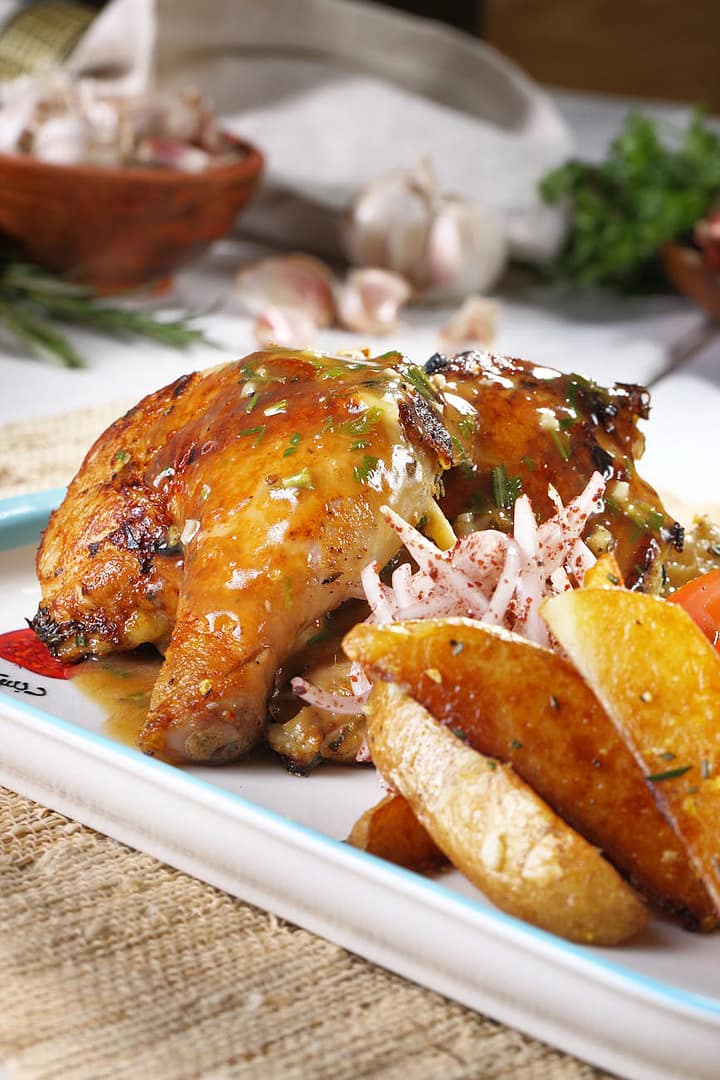
There are two kinds of people in this world: those who choose chicken breast, and those who understand that chicken thigh fillets are the superior life form. If chicken were a high school movie, breasts would be the popular cheerleaders: lean, bland, conventionally attractive, and slightly boring. Thigh fillets would be the brooding indie girl who writes poetry, drinks oat milk before it was trendy, and quietly steals every scene. You didn’t notice her at first, but now you can’t shut up about her. Let’s unpack why chicken thigh fillets deserve a standing ovation. What Exactly Is a Chicken Thigh Fillet?
Category: Food Ingredient
On Wednesdays We Wear Pink, But Every Day We Use Salt: A Deep Dive Into Table Salt
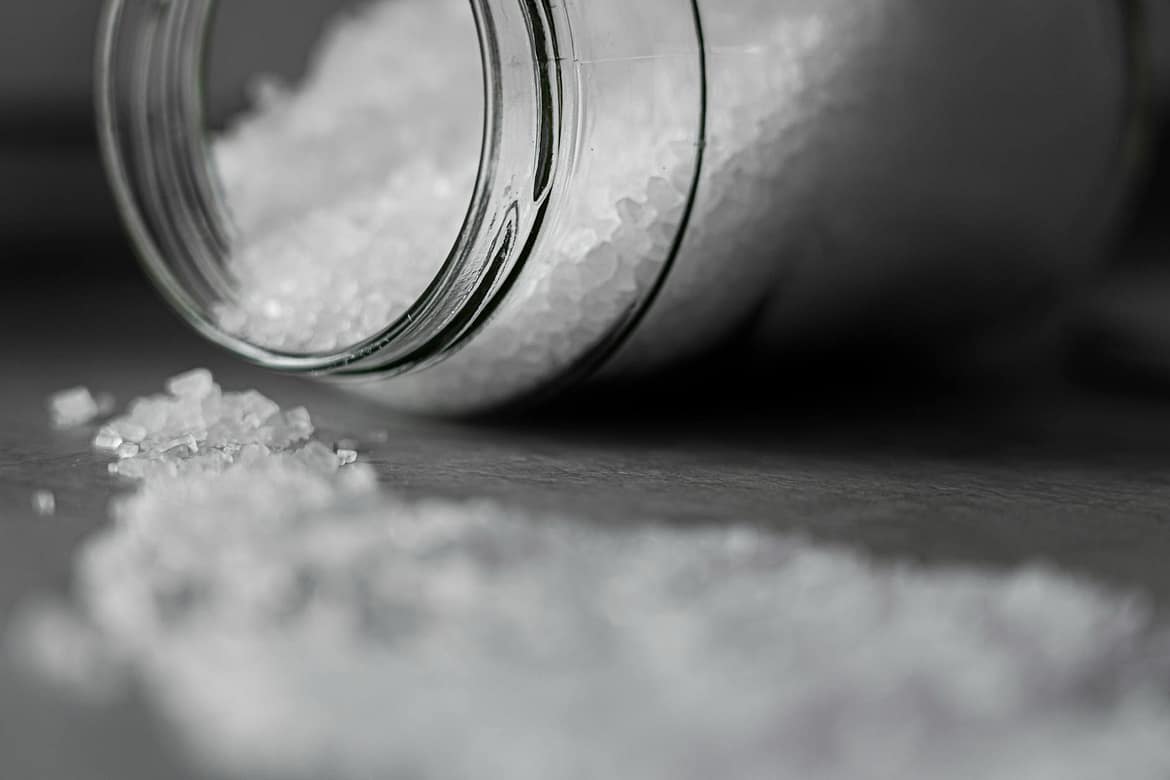
Let’s get one thing straight: table salt is Regina George. It’s everywhere. It’s powerful. It shapes society. It makes everything better. And occasionally, it ruins your life. Salt is one of those ingredients so basic that we barely think about it, yet it has single-handedly driven wars, built empires, preserved civilizations, and turned otherwise sad food into something worth living for. Without salt, humanity would still be gnawing on bland roots and staring wistfully at the horizon like, is this it? So put on your pink, grab your Burn Book, and let’s do a full cultural, historical, and functional breakdown of table salt through
Cayenne Pepper: A Fiery Deep Dive
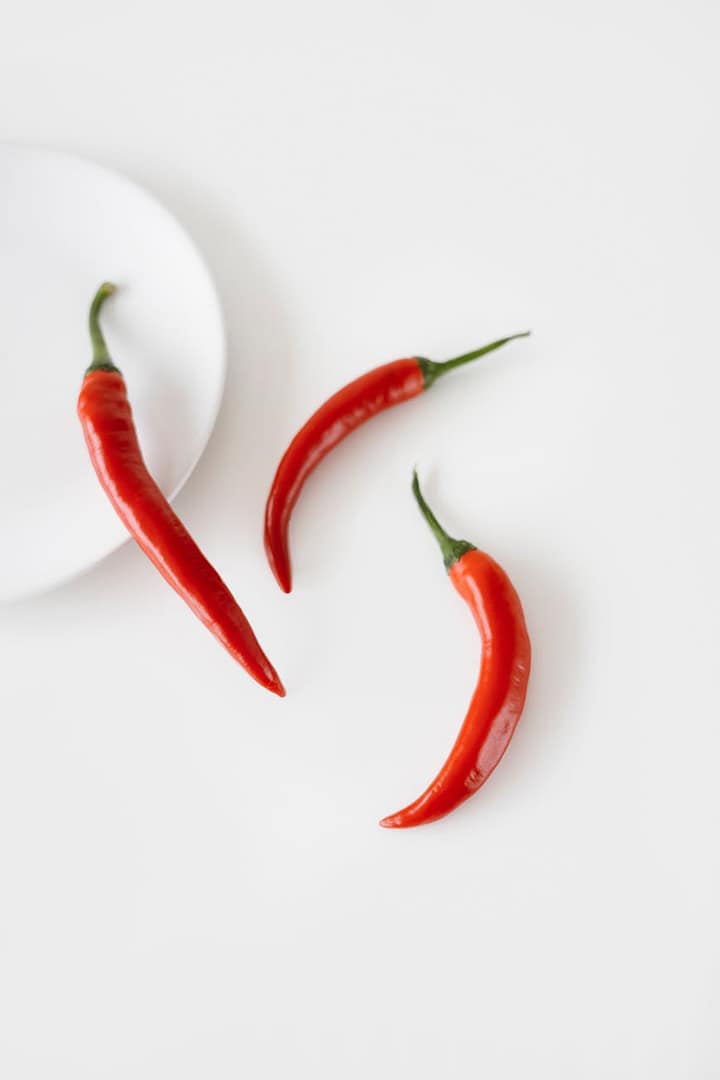
Cayenne pepper is one of those ingredients that feels both ancient and vaguely threatening. It sits quietly in your spice rack, looking harmless, while also fully capable of ruining your day if you get cocky. This is a powder that has survived empires, crossed oceans, and still shows up uninvited in detox teas and “metabolism boosting” nonsense. Let’s talk about her. Origins: Hot Girl, Pre-Columbus Edition Cayenne pepper comes from Capsicum annuum, a species of chili pepper native to Central and South America. Indigenous peoples were cultivating and using chili peppers as far back as 7,000 BCE. That’s not a
Smoked Paprika: The Spice That Thinks It’s Hotter Than It Actually Is (But We Love Her Anyway)
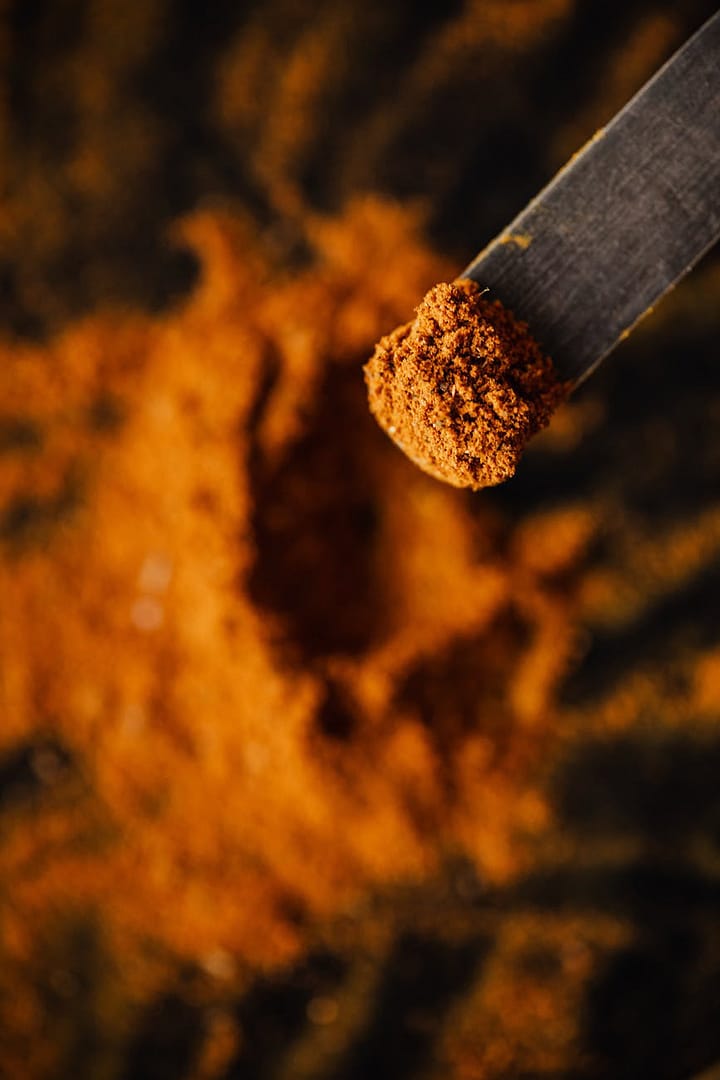
If spices were people, smoked paprika would be that friend who shows up to brunch wearing a dramatic hat and pretends it’s “just something I threw on.” She’s bold. She’s mysterious. She smells vaguely like she’s been loitering behind a barbecue pit. And honestly? She makes nearly everything she touches taste like you went to culinary school instead of just aggressively scrolling TikTok food hacks at 2 a.m. Today we’re deep diving into smoked paprika including where it comes from, why it slaps so hard, where the drama lies, and why you absolutely need a jar (or three) in your pantry.
Garlic: Humanity’s Most Dramatic Vegetable (and for Good Reason)
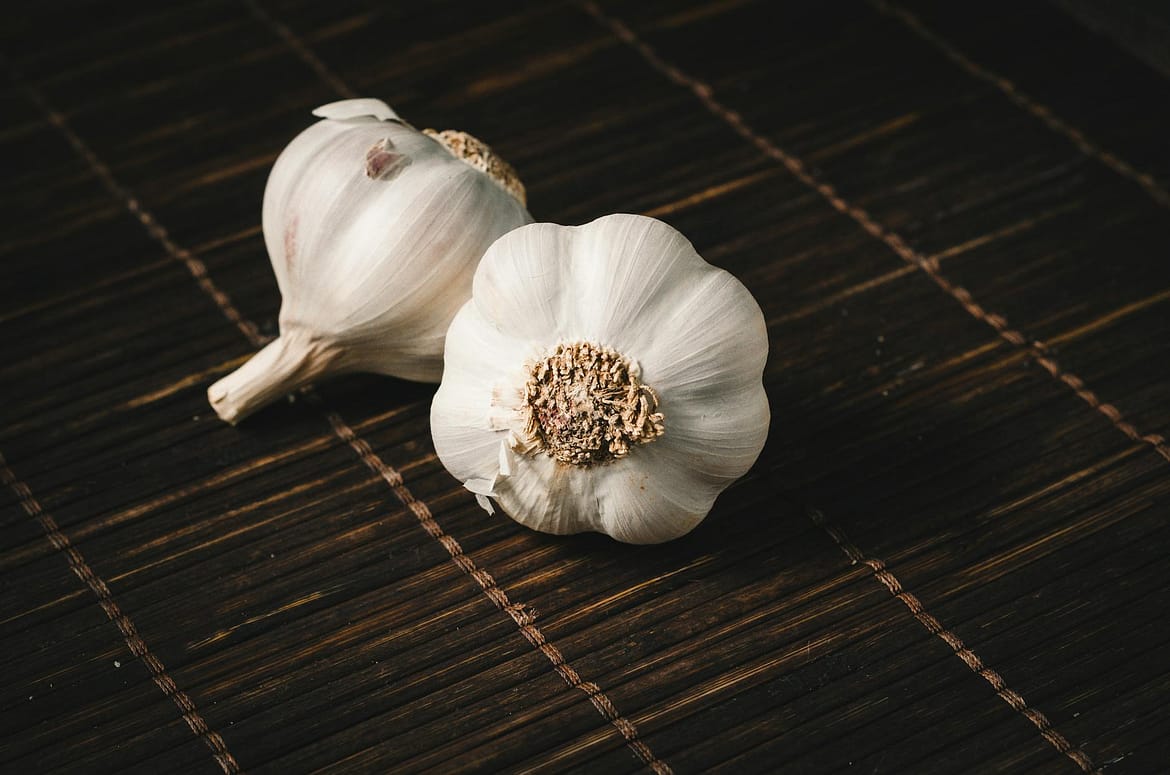
Let’s get one thing straight: garlic isn’t just an ingredient. Garlic is an experience. It’s a smell that sticks to your hands for days, a flavor that punches like an angry Italian grandmother, and a centuries-old cure-all that’s somehow survived both the Black Plague and the clean eating movement. So today, we’re diving into the stinky, spicy, and surprisingly historical world of garlic — because if we’re going to make our kitchens smell like vampire repellent, we might as well know why. 🧄 Origins: From Ancient Medicine Cabinet to Pasta Sauce Garlic (Allium sativum) has been around longer than your favorite reality TV franchise.
Sodium Chloride in Your Skincare: The Ingredient That’s Basically Table Salt With an Identity Crisis
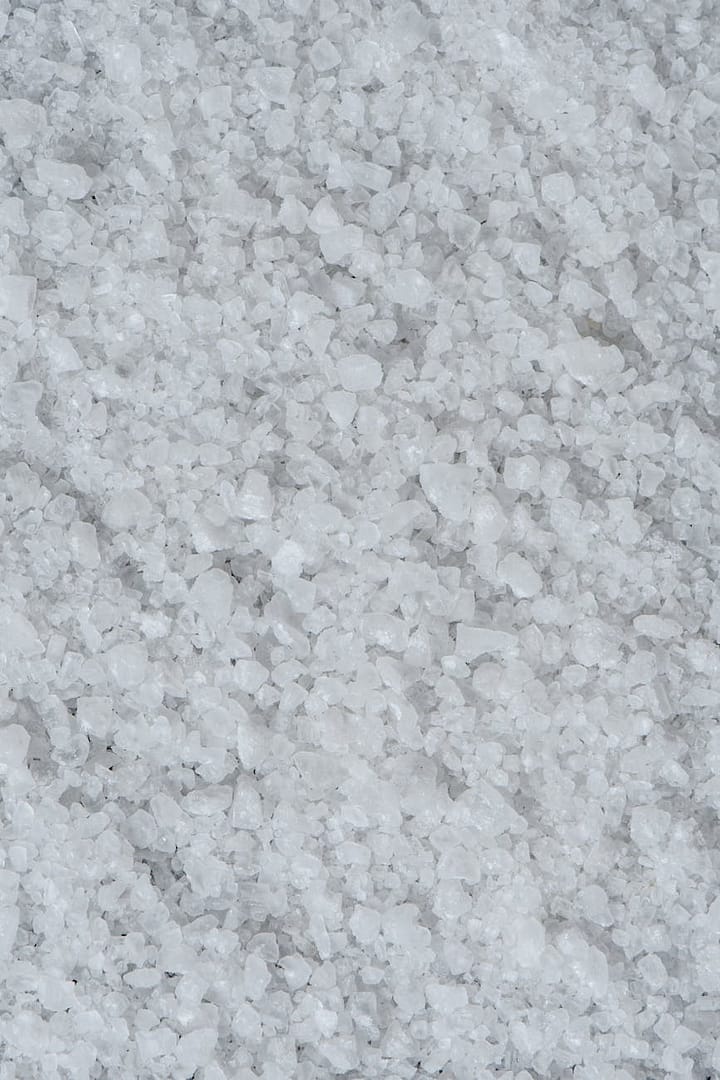
Let’s talk about one of the most common, most unassuming ingredients in your beauty cabinet: sodium chloride. Yes, babe. That’s salt. The same thing you shake onto fries and cry into during your third rewatch of Bridgerton. But in your shampoo? In your cleanser? In your exfoliating face scrub that costs more than your monthly coffee budget? Turns out, sodium chloride has been moonlighting as a cosmetic multi-tasker, and I, your nosy little ingredient detective, have thoughts. Many of them. Let’s dive in. 🧂 Origin Story: Salt, the OG Mineral Diva Sodium chloride is literally one of the oldest and most widely
Pepper: The Tiny Berry That Colonized Your Taste Buds (and Also… the World)
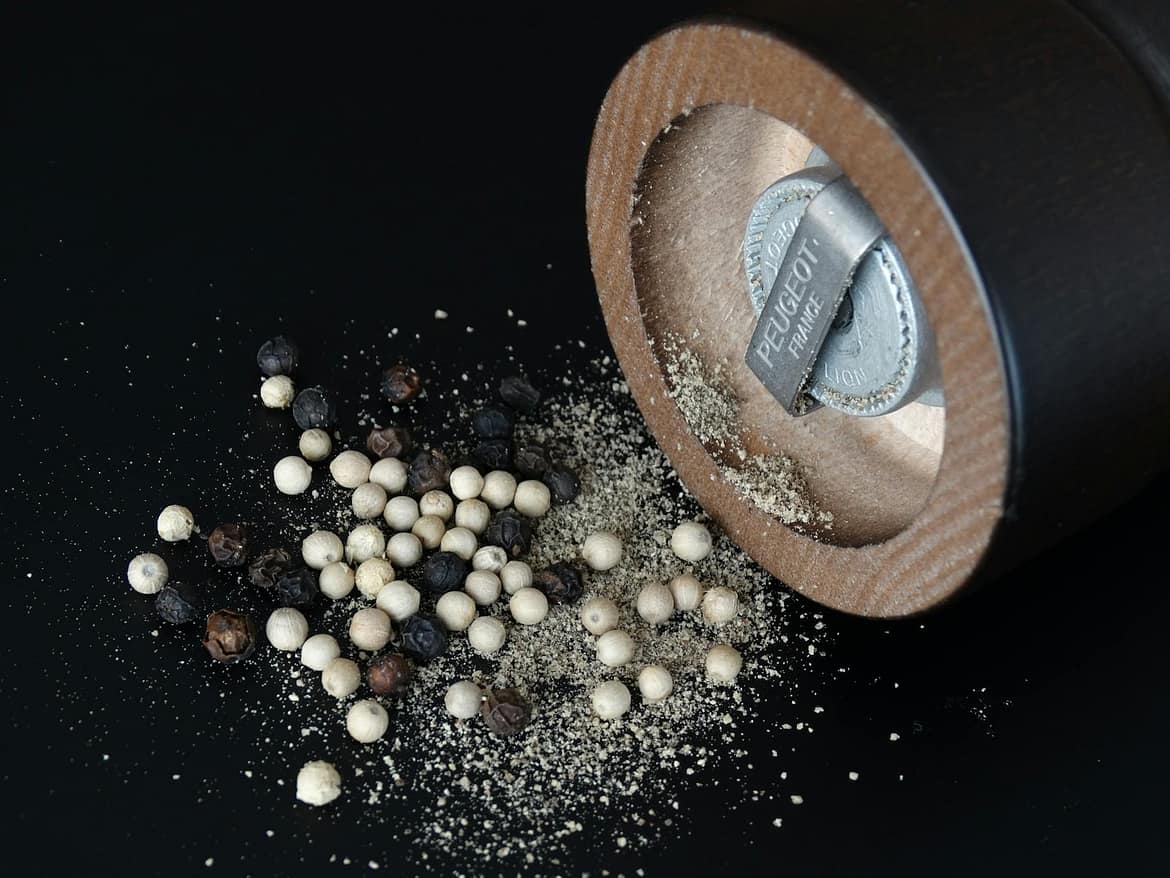
Listen. I love salt. Salt is the friend who always shows up, always flatters, and occasionally tries to kill you via hypertension. But pepper? Pepper is your chaotic ex who still makes your heart race when they walk into a room. Mysterious. Spicy. Full of emotional damage. And also just like your ex, you invited it back into your life every single day. It’s time we talked about pepper. The ancient diva of the spice rack. The original ✨flavor influencer✨. The reason your pasta doesn’t taste like wet paper towels. 🌱 Origins: Pepper Was Born to Be Extra First off, black pepper
Sea Salt: The Bougie Cousin of Table Salt Who’s Been Around Forever
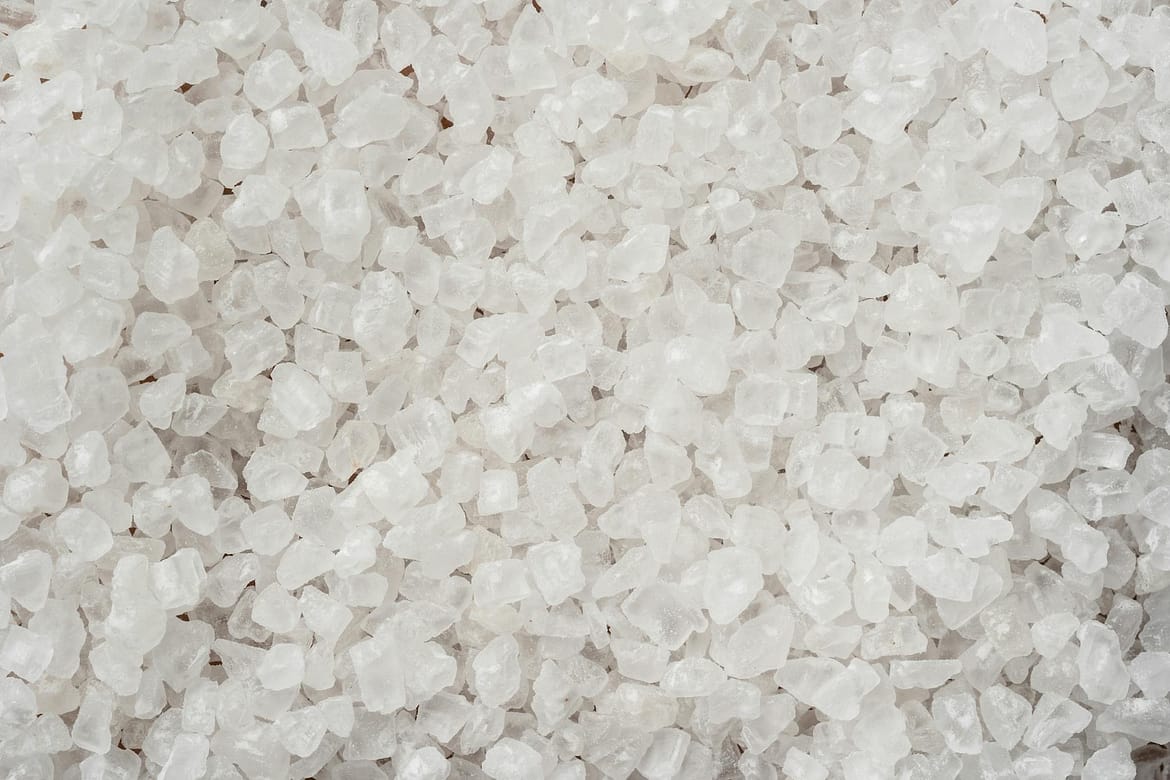
Let’s talk about sea salt. The ingredient that sits in a Pinterest-worthy glass jar on your counter while regular table salt hides in a plastic shaker like it owes you money. Sea salt is one of those kitchen staples that manages to feel both rustic and glamorous—like it could season your French fries and be rubbed into your skin at a luxury spa in the Maldives. But beyond its Instagram aesthetic, sea salt has a long, gritty history. So buckle up, because this humble crystal has been seasoning human life (and drama) for thousands of years Origins: Born of Ocean and Sun
White Wine Vinegar — Fancy Fermented Friend or Overrated Pantry Diva?
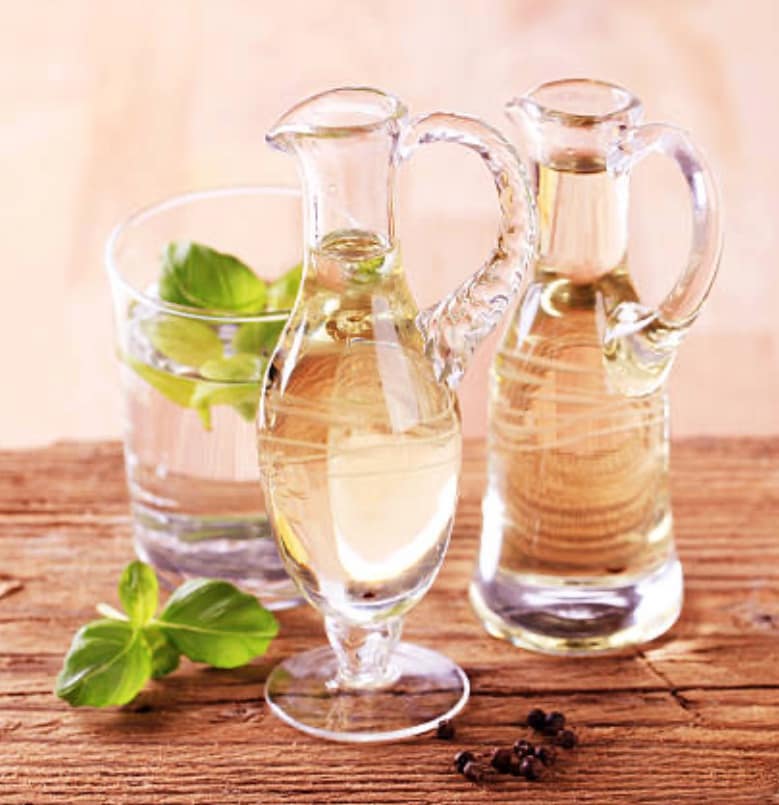
If you’ve ever stared at your shelf of half-used condiments and thought, “Do I really need four kinds of vinegar?” — congrats, you’re officially an adult. And one of those vinegars is probably white wine vinegar. She’s a little tart, a little delicate, and sitting in your cabinet like she knows she’s better than plain white distilled but not quite bougie enough to be balsamic. So let’s break it down. What is white wine vinegar? Where did it come from? Why does it taste like sophistication in a bottle, and do you actually need it? Or is it just the Live, Laugh, Love wall art of
The Leafy Legend: Italian Parsley, or That One Herb You Keep Buying and Forgetting About
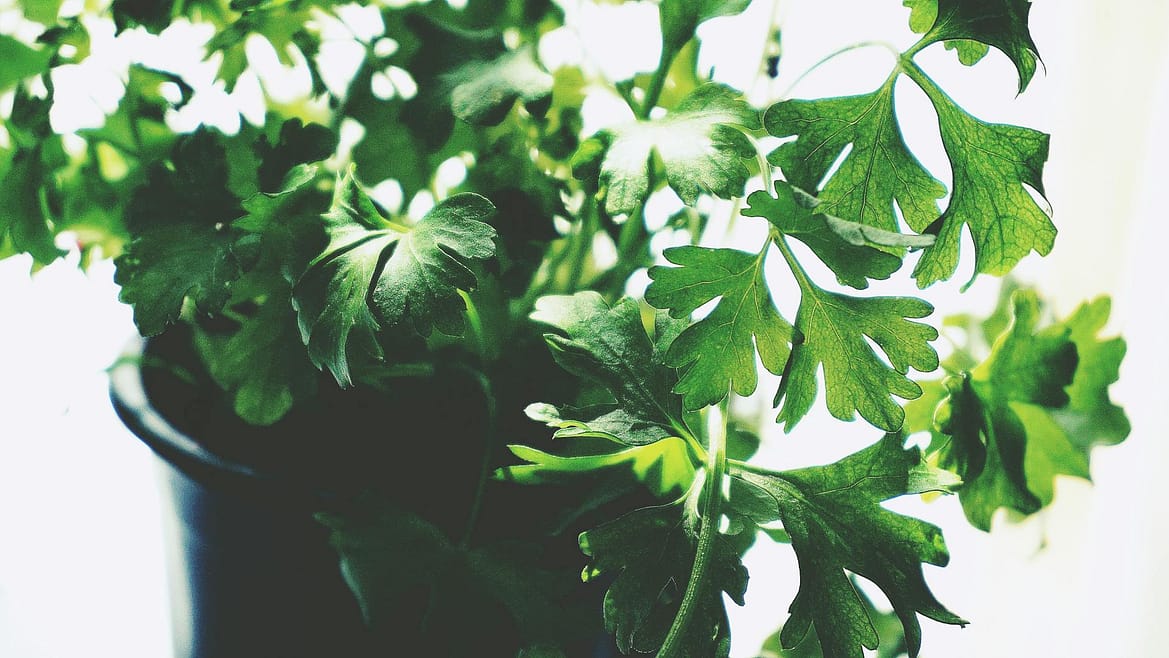
Let’s talk about Italian parsley. Yes, that frilly imposter’s cooler, flat-leaf cousin. The one you bought once thinking, “Oh I’m gonna cook like Giada De Laurentiis,” only to find it liquefied in your crisper drawer three weeks later. RIP. But this humble little herb deserves a redemption arc. She’s the Florence Pugh of garnishes: delicate, punchy, and slightly underappreciated in her early roles. So today, we’re giving Italian parsley its flowers—metaphorically and culinarily. 🌱 Origin Story: The OG Green Goddess Italian parsley (Petroselinum crispum var. neapolitanum) hails from the Mediterranean, where it’s been thriving since, like, toga times. The Greeks considered