
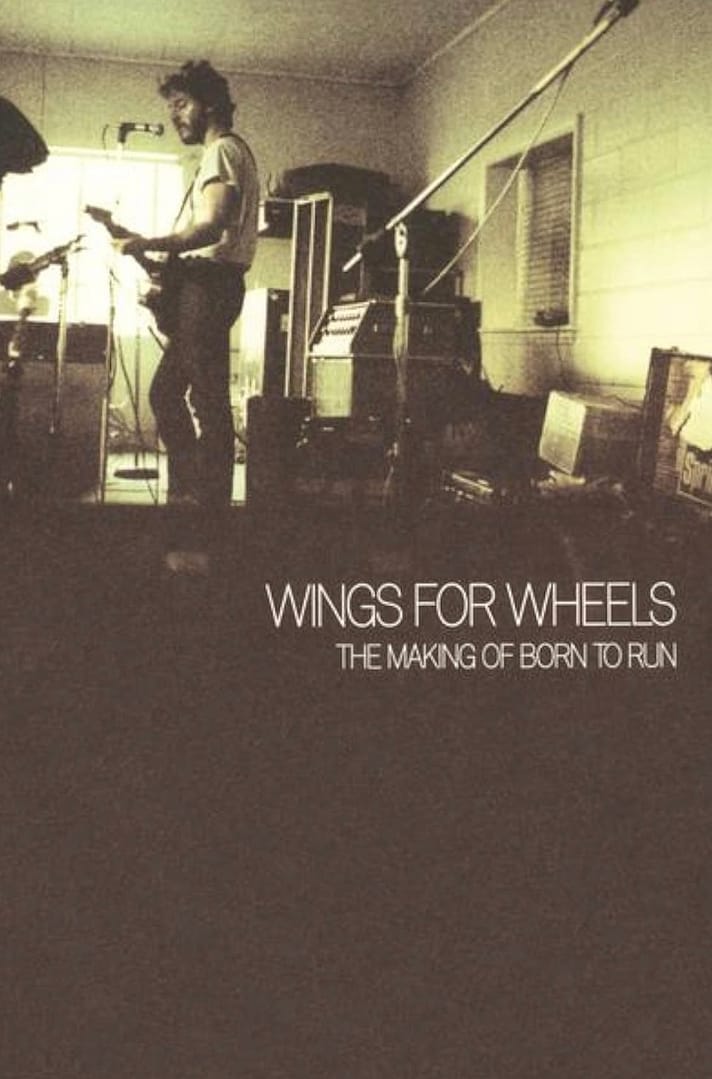
There are music documentaries that feel like homework, and then there are music documentaries that make you want to stand on your couch, point dramatically into the distance, and scream-sing about highways and destiny. Wings for Wheels falls squarely into the second category. This documentary follows Bruce Springsteen during the chaotic, obsessive, borderline-unhinged creation of Born to Run. And I mean obsessive in the way that makes you feel deeply reassured about your own questionable habits. You stress-bought lip balm at midnight. Bruce rebuilt a drum sound for six months. We all cope differently. The Vibe: Creative Chaos But Make It Inspirational Watching this documentary
Category: Random Musings
King Henry VI, Part 2: The Original Man Drama™
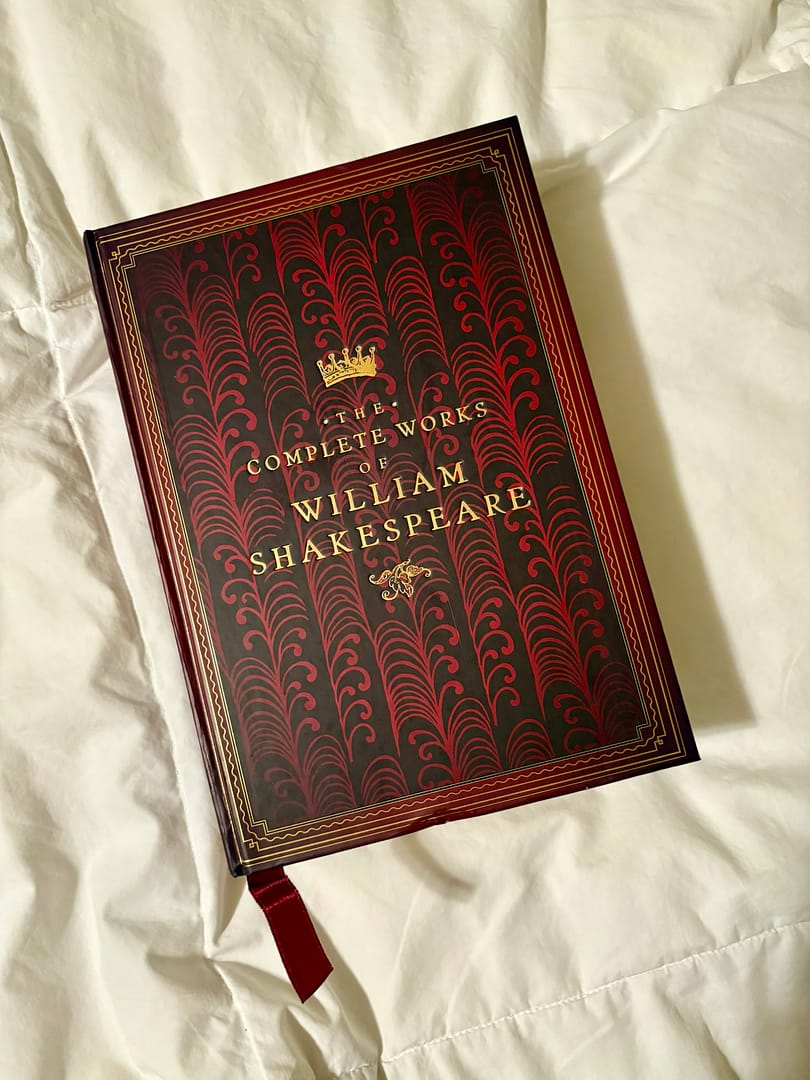
Listen. I went into King Henry VI, Part 2 expecting another round of Shakespearean “court intrigue” (read: men yelling in rhyming couplets about honor while forgetting to communicate like adults). But what I got instead was… high-quality man drama. And honestly? It was delightful. If you like your history plays served with a healthy dose of petty squabbles, insecure nobles, and scheming so obvious you can see it from the cheap seats, boy do I have a play for you. Plot? Sure. But Mostly Vibes. Technically, yes, there is a plot. There’s the weak, soft-boiled king, Henry VI, whose main political strategy is
Movie Review: Duel (1971) — The OG Road Rage Fever Dream
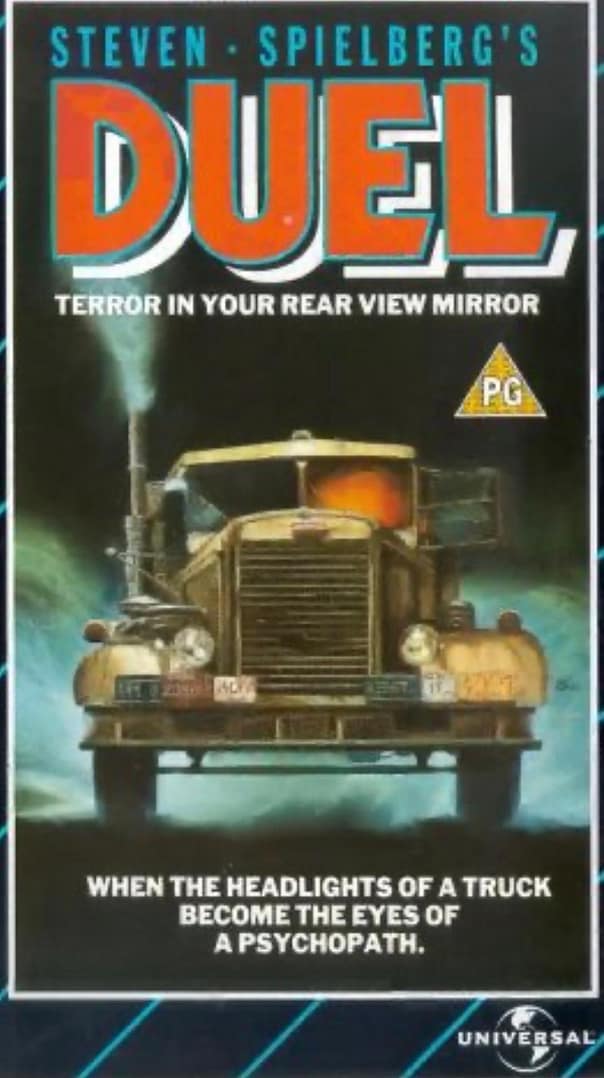
Let’s get one thing straight right now: Duel is 90 minutes of a man driving a red Plymouth Valiant and sweating so profusely it could qualify as an environmental hazard. It’s directed by a baby Steven Spielberg (like, still cutting his cinematic teeth), written by Richard Matheson of I Am Legend fame, and it’s essentially what happens when a Twilight Zone episode gets a driver’s license and too much gas money. The Plot (If You Can Call It That) A regular guy named David Mann (yes, Mann, because subtlety was apparently still on backorder in 1971) sets out on a drive through the California desert
Book Review: Pinocchio — The Original Menace to Society
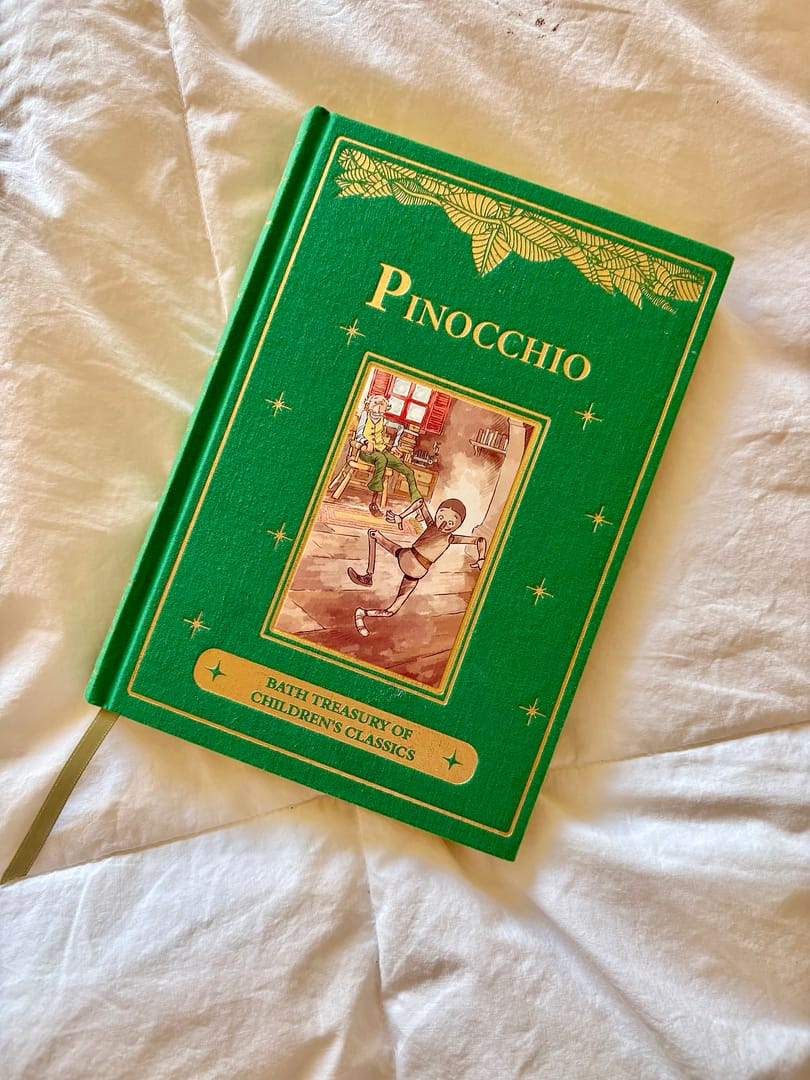
Let’s all take a deep breath and collectively admit something: Disney lied to us. The Pinocchio we grew up with (the sweet little puppet who just wants to be a real boy, guided by a sassy moral compass in a top hat) is a deeply sanitized version of the absolute nightmare fuel that is Carlo Collodi’s original book. The OG Pinocchio isn’t a wholesome story about honesty and bravery. It’s a chaotic, occasionally homicidal morality play about a wooden demon-child who ruins everything he touches and a deeply exhausted craftsman who just wanted to make a puppet and ended up with a felony-level parenting problem. Geppetto: The World’s
The King Cole Trio: A Love Letter to Simplicity, Swing, and “It’s Only a Paper Moon”
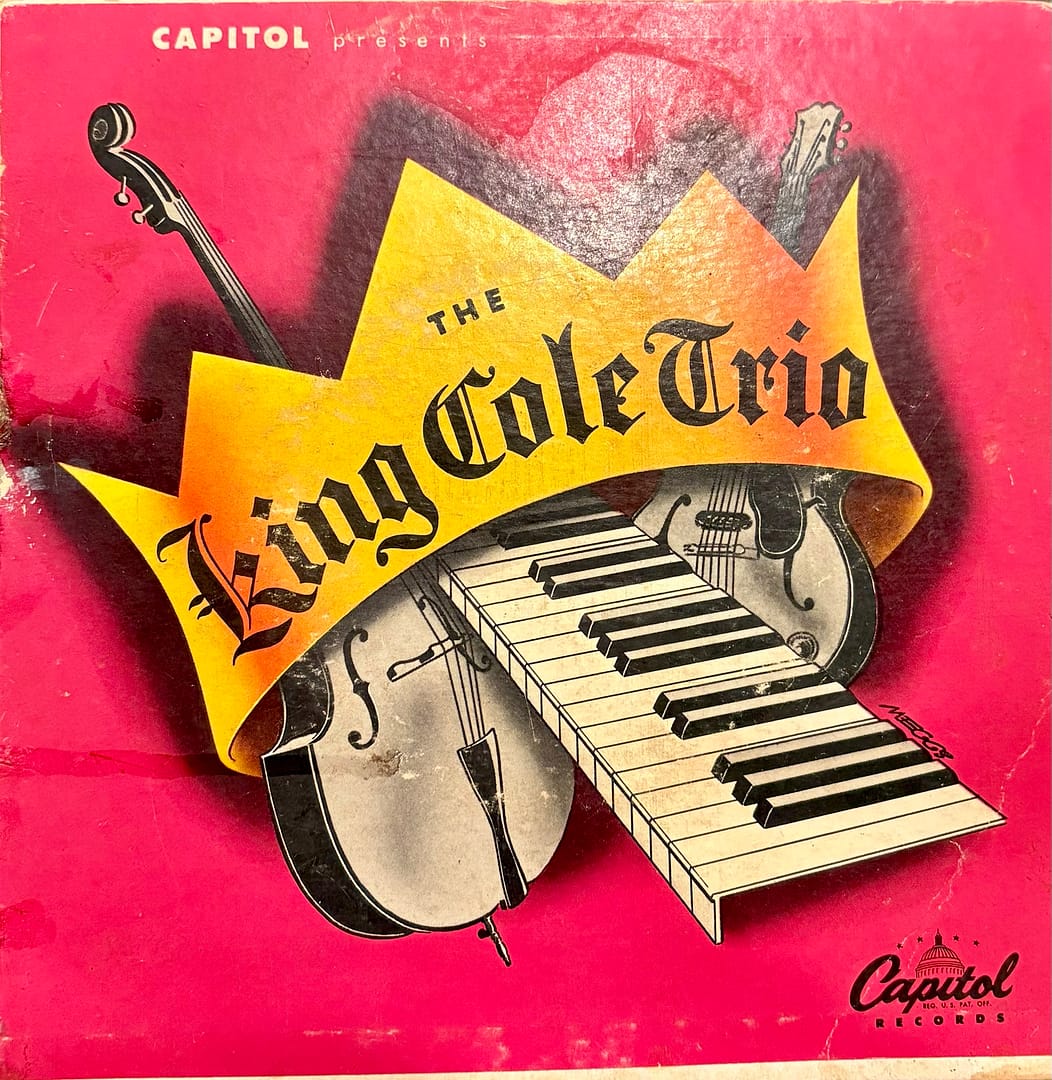
by Kristen (your friendly neighborhood jazz nerd who still gets chills from a well-timed piano chord) There are albums that shout, albums that swoon, and albums that just quietly stroll into your living room, pour themselves a drink, and start humming something so smooth you forget to breathe. The King Cole Trio’s self-titled album (1944) is that last one. This record isn’t flashy. It doesn’t need to be. It’s Nat King Cole in his prime, before the string sections and the lush orchestrations..just his honeyed voice, a piano, a guitar, and a bass doing all the heavy lifting. Think of it as
A Scandal in Bohemia: The Day Sherlock Got Played
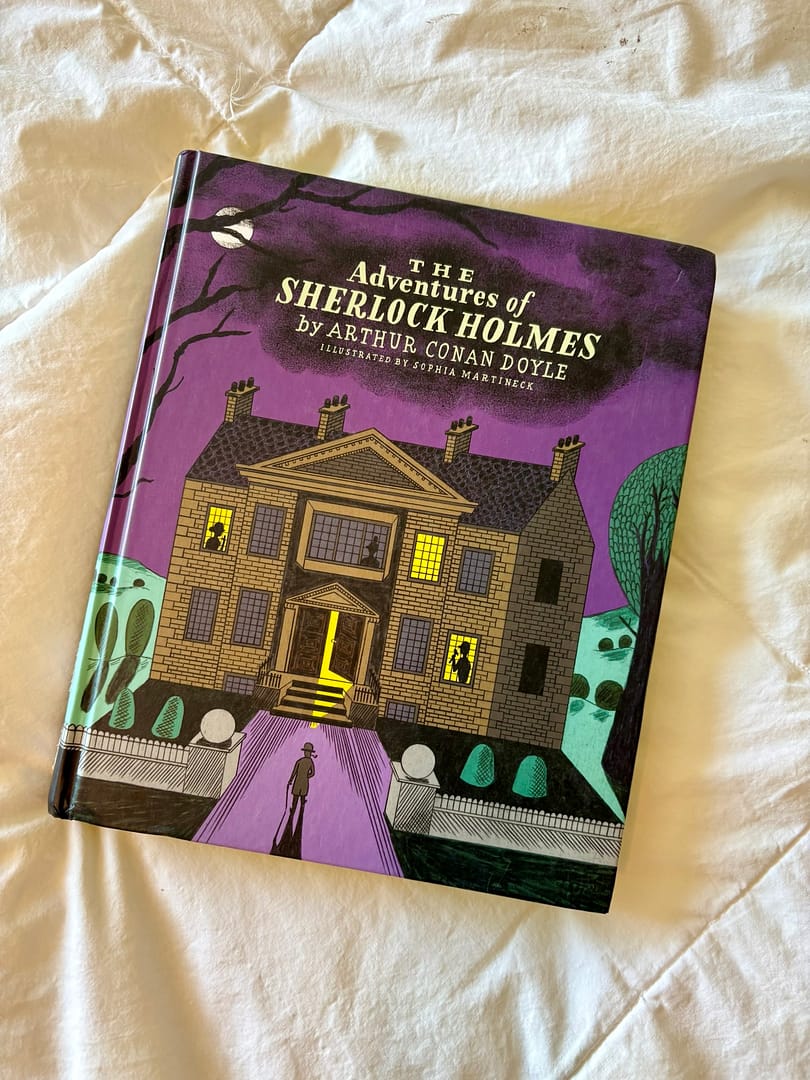
Sherlock Holmes is many things: a genius, a drama queen, a man who cannot mind his own business to save his life. But in A Scandal in Bohemia, we learn one more thing about him: he is not, in fact, invincible. Because Irene Adler walks in, says “cute detective tricks, bro,” and promptly eats his lunch. Yes, this is the Irene Adler story. The one where she cements her legacy as “the woman”. Not Sherlock’s lover, not his enemy, just the one person who made him look like a rookie. Honestly? Iconic. Enter: The Royal Mess So the King of Bohemia (imagine Prince Harry
Listen! The Wind by Anne Morrow Lindbergh: Beautiful Words, Boring Breeze
Anne Morrow Lindbergh could make literally anything sound profound. A grocery list, a flight log, maybe even a DMV renewal notice. All of it would read like poetry if Anne had her hands on it. And that’s the magic she brings to Listen! The Wind. Her prose is lush and lyrical, the kind that makes you pause mid-sentence and whisper, “wow.” She doesn’t just write; she orchestrates. Sentences swell and retreat like ocean tides. Even when she’s writing about, say, the lack of a tailwind, it feels like she’s secretly talking about fate and mortality. That’s talent. What This Book Actually Is Here’s
The Hundred Years’ Snore: A Review of King Henry VI, Part 1 (Or, How I Learned to Stop Worrying and Love the Joan of Arc Fanfic)
Let me be brutally honest with you: if you asked me to recommend a Shakespeare play to get you hooked on the Bard, King Henry VI, Part 1 would be somewhere near the bottom of my list. Possibly underneath it. Possibly buried beneath a heap of dry parchment in a dusty cathedral library in medieval France, where it belongs. And yet, here I am. Reading it. Reviewing it. Because I’m committed to the bit. What Even Is This Play? Okay. King Henry VI, Part 1 is basically the prequel to the prequel of Richard III. It’s the Star Wars Episode I of the Shakespeare History Cinematic
Dracula: A Cautionary Tale About Red Flags, Mansplaining, and How Everyone Immediately Gets Weird About Your Body
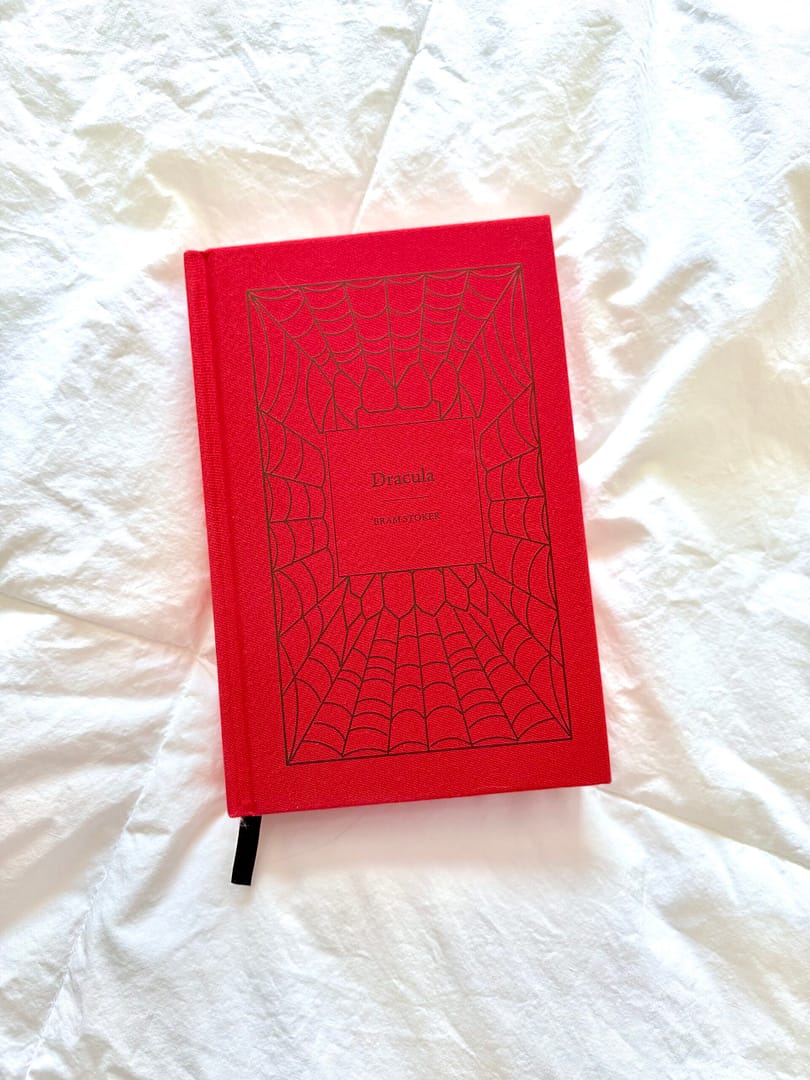
You ever read a book and think, “Damn, this could’ve been an email”? That’s Dracula. That’s Bram Stoker’s 400-page Victorian group chat about logistics, real estate, and one man’s heroic quest to emotionally exhaust every person he meets. And honestly? The scariest part isn’t the vampires. It’s the audacity. Warning: This post is filled with spoilers. Count Dracula: Unkillable. Undead. Unbearably Chatty. He shows up, he monologues, he bites, he ghosted. It’s a pattern. So let’s be clear: Count Dracula is a villain with a capital V and also a capital E-R-Y T-I-R-E-S-O-M-E. He is allegedly the most powerful creature on Earth.
Tamerlane: A Man Makes the Worst Possible Choices and Then Is Shocked by the Consequences
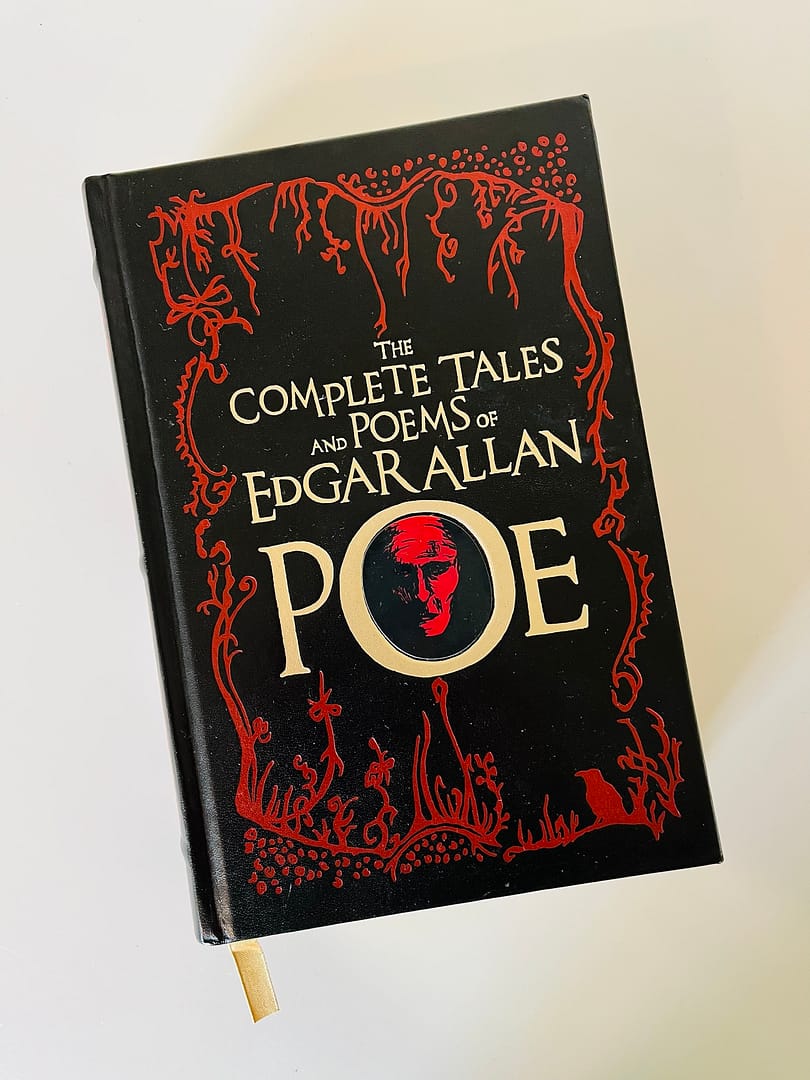
There are some literary characters you feel for. You ache for their struggles, root for their triumphs, and cry when things don’t go their way. Tamerlane is not one of those characters. Tamerlane is that guy. The one who throws away a perfectly good life for no reason, only to realize—too late!—that he has, in fact, made a terrible mistake. And then he dies. That’s it. That’s the poem. Edgar Allan Poe wrote Tamerlane when he was just 18, which explains a lot. It has the exact energy of a teenager staring dramatically out a rain-streaked window, scribbling in a leather-bound notebook about