
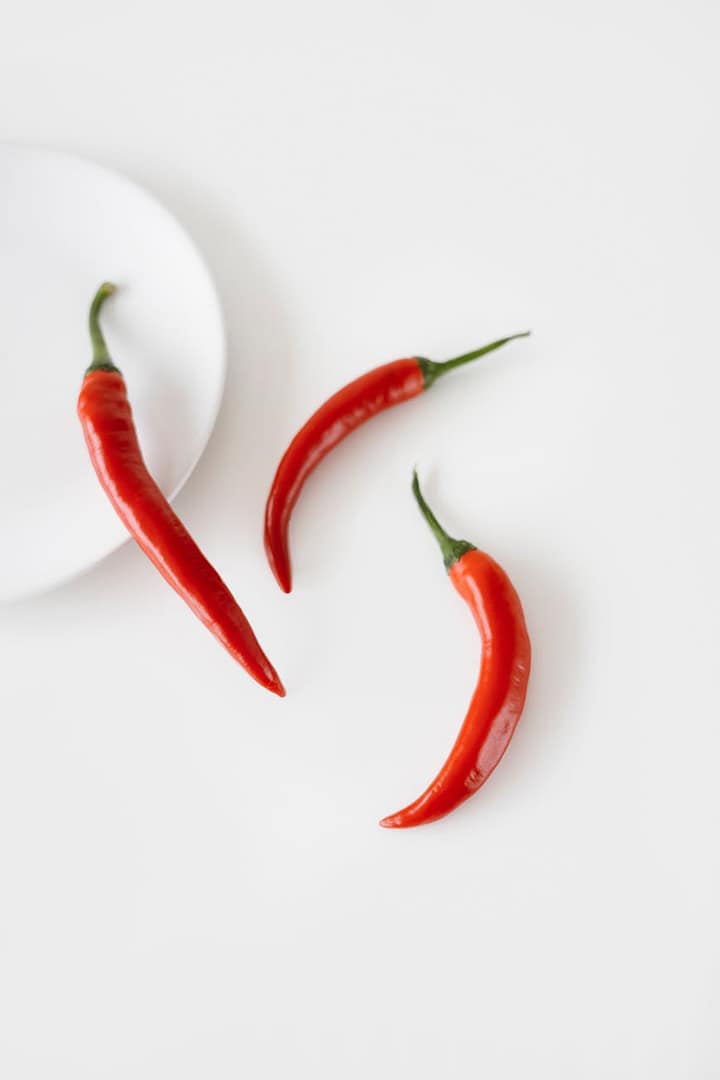
Cayenne pepper is one of those ingredients that feels both ancient and vaguely threatening. It sits quietly in your spice rack, looking harmless, while also fully capable of ruining your day if you get cocky. This is a powder that has survived empires, crossed oceans, and still shows up uninvited in detox teas and “metabolism boosting” nonsense. Let’s talk about her.

Origins: Hot Girl, Pre-Columbus Edition
Cayenne pepper comes from Capsicum annuum, a species of chili pepper native to Central and South America. Indigenous peoples were cultivating and using chili peppers as far back as 7,000 BCE. That’s not a typo. Cayenne has been setting mouths on fire since before pottery was cool.
Despite the name, cayenne has nothing to do with Cayenne, French Guiana. That’s just Europeans doing what they do best: misnaming things confidently. When Christopher Columbus encountered chili peppers, he called them “pepper” because he was looking for black pepper and absolutely refused to admit he was wrong. Thus began centuries of spicy confusion.

A Brief History: From Indigenous Staple to Colonial Flex
Before Europeans showed up, cayenne and its chili cousins were used for:
- Flavor
- Preservation
- Medicine
- Probably spiritual intimidation
Once Europeans got their hands on it, cayenne spread rapidly through Africa, India, Southeast Asia, and the Caribbean via trade routes. Why? Because it was cheap, easy to grow, and made otherwise bland colonial food taste like something worth chewing.
By the 18th and 19th centuries, cayenne pepper was also a staple in Western herbal medicine. It was prescribed for everything from digestion to circulation to “female complaints,” which historically meant “a woman is upset and we don’t know why.”

What It’s Used For (Besides Violence)
Culinary Uses
Cayenne pepper is heat without a lot of personality. It’s not smoky like chipotle or fruity like habanero. It exists to say, “You thought this needed more intensity.”
Common uses include:
- Soups and stews
- Dry rubs and marinades
- Hot sauces
- Eggs that need to be humbled
- Recipes that say “optional pinch” and then lie
A little goes a long way. Cayenne is a whisper, not a scoop.
Medicinal and “Wellness” Uses
Cayenne contains capsaicin, the compound responsible for heat and most of its health claims.
It’s been used for:
- Stimulating digestion
- Increasing circulation
- Topical pain relief (creams, patches)
- Clearing sinuses in a way that feels like regret
Modern research supports some of this. Capsaicin can reduce pain by depleting substance P, a neurotransmitter involved in pain signaling. Translation: it overwhelms your nerves until they give up.

The Pros: Why People Swear by It
- Metabolic stimulation: Capsaicin can slightly increase thermogenesis. Keyword: slightly. You are not going to burn off pizza by adding cayenne to lemon water.
- Anti-inflammatory properties: In controlled doses, it can reduce certain types of pain and inflammation.
- Digestive support: Small amounts may help stimulate gastric juices.
- Flavor enhancer: Adds heat without changing the overall flavor profile of a dish.
Also, emotionally, it makes you feel like someone who knows how to season food.

The Cons: Let’s Be Adults About This
- GI irritation: Too much cayenne can cause stomach pain, acid reflux, or diarrhea. Your intestines did not consent to this.
- Skin and eye irritation: Cayenne does not care about your contact lenses.
- Not a miracle cure: It will not detox you. It will not fix hormones. It will not “melt fat.” Anyone claiming otherwise is selling something.
- Tolerance builds: The more you use it, the more you need, and suddenly you’re chasing heat like it owes you money.

The Bottom Line
Cayenne pepper is ancient, effective, and slightly unhinged. It’s a powerful ingredient when used intentionally, not performatively. It belongs in food, in evidence-based medicine, and far away from pseudoscientific cleanse culture.
Respect the spice. Measure carefully. Wash your hands. And never trust a recipe that says “just add more if you like it spicy.”
You’ve been warned.
References
Britannica. (December 12, 2025.). Cayenne pepper. Encyclopaedia Britannica. https://www.britannica.com/science/capsaicin
Jayan, L.S., Rajan, S.S., Mujahid, S.M. et al. Capsaicin: an in-depth review of its chemical properties, health benefits, and challenges in food applications. Food Production, Processing and Nutrition, 7, 47 (2025). https://doi.org/10.1186/s43014-025-00321-4
Powis, T.G., Gallaga Murrieta, E., Lesure, R., et al. Prehispanic use of chili peppers in Chiapas, Mexico. PLOS One, 8(11) (2013).
Powell Key, A. (September 24, 2024). Health benefits of capsaicin. WebMD. https://www.webmd.com/diet/health-benefits-capsaicin
Brody, B. (October 16, 2024). Pepper power: Nutrition and other benefits. WebMD. https://www.webmd.com/diet/peppers-health-benefits
Britannica Editors (2024, December 3). Capsicum annuum. Encyclopedia Britannica. https://www.britannica.com/plant/Capsicum-annuum
WebMD Editorial Contributor (October 17, 2025). Health benefits of cayenne pepper. WebMD. https://www.webmd.com/diet/health-benefits-cayenne-pepper


1 thought on “Cayenne Pepper: A Fiery Deep Dive”