
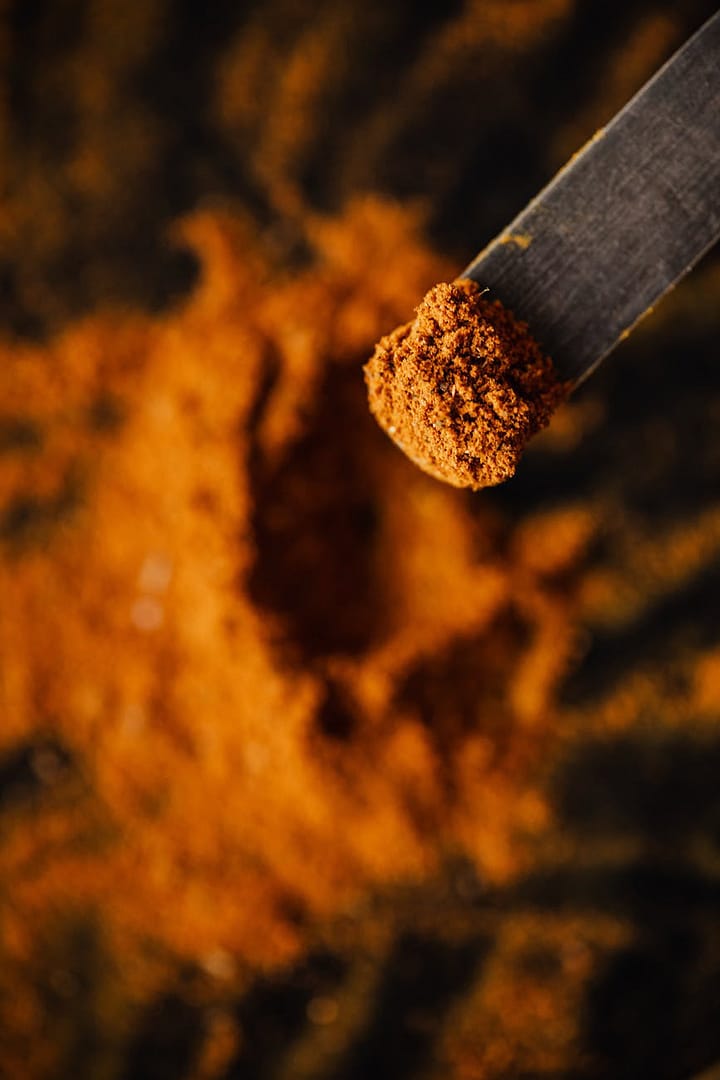
If spices were people, smoked paprika would be that friend who shows up to brunch wearing a dramatic hat and pretends it’s “just something I threw on.” She’s bold. She’s mysterious. She smells vaguely like she’s been loitering behind a barbecue pit. And honestly? She makes nearly everything she touches taste like you went to culinary school instead of just aggressively scrolling TikTok food hacks at 2 a.m.
Today we’re deep diving into smoked paprika including where it comes from, why it slaps so hard, where the drama lies, and why you absolutely need a jar (or three) in your pantry.

A Brief Origin Story (Cue the Dramatic Music)
Like most foods that slap, smoked paprika comes from peppers that were colonized, traded, and dragged across continents until they became iconic. Paprika begins with Capsicum annuum, a species native to the Americas. But like tomatoes, cacao, and every other delicious thing Europe pretended they invented, peppers made the transatlantic trip post-Columbian exchange.
From there, peppers took a gap year and reinvented themselves in Spain, specifically in Extremadura and La Vera, where monks started drying peppers over smoldering oak wood. Thus was born pimentón ahumado, AKA smoked paprika, AKA the Madonna of spice blends.
Spain didn’t just make smoked paprika, they branded it. Spain’s Denomination of Origin (DOP) protections for Pimentón de La Vera make it basically the Champagne of smoked spices. You’re not just sprinkling seasoning. You’re sprinkling heritage.

A Little History (A Lot of Vibes)
Let’s break it down:
- 1400s–1500s: Columbus brings peppers back to Spain. He does not bring back any actual culinary skills.
- 1500s: Monks in La Vera are like, “What if we put these peppers over a fire and made them taste like they wear leather jackets?”
- 1600s–1900s: Smoked paprika becomes essential in Spanish cuisine. Spanish sailors use paprika in chorizo, marinades, and preserving meats. Bold of them to rely on paprika instead of refrigeration, but okay.
- 20th century: Smoked paprika starts infiltrating global kitchens like an aromatic spy.
- Now: Every food blogger with a ring light and emotional support Le Creuset dutch oven treats smoked paprika like a personality trait.
Flavor Profile: What Does Smoked Paprika Want From You?
Think of it as paprika’s goth cousin. Regular paprika is like, “Here’s some color.” Smoked paprika is like, “Here’s some color and the illusion that you’ve tended a fire with your bare hands.”
Expect:
🔥 Warmth
🔥 Smokiness
🔥 Sweetness or heat depending on type
🔥 Vibes of a barbecue you didn’t actually have to host
Types include:
- Sweet (dulce): Friendly, approachable, your mom’s favorite.
- Bittersweet (agridulce): For people who read enemies-to-lovers fanfic.
- Hot (picante): Chaotic neutral. Won’t apologize.
How to Use It Without Summoning the Spirit of a Spanish Grandma
You can put smoked paprika on basically anything except maybe cereal (though who am I to limit your potential growth arc?). It’s especially fabulous in:
Protein Things
- Chicken, obviously
- Roasted salmon
- Tofu that desperately wants personality
- Chorizo and plant-based chorizo dupes
Veggie Things
- Roasted potatoes (this is your sign)
- Mushrooms
- Chickpeas
- Beans
- Cauliflower steaks that will impress no one but yourself
Saucy Things
- Aioli
- Marinades
- BBQ sauce
- Stews
- Hummus — a sprinkle on top and suddenly it’s ✨ restaurant hummus ✨
Wildcards Because Why Not
- Deviled eggs (devils prefer smoke, I checked)
- Popcorn
- Mac and cheese
- Bloody Mary rims if you’re chaotic brunchcore
Pros (AKA Why You Need This In Your Life)
1. Maximum Flavor, Minimum Effort
You open the jar. You shake. You’re a chef.
2. Vegan Smoke Substitute
You can fake a smoked-meat experience without sacrificing animals or buying a smoker someone on Facebook Marketplace claims is “lightly used but still smells like ribs.”
3. Long Shelf Life
Smoked paprika lasts longer than some relationships and all seasonal TikTok trends.
4. Color that Slaps
You know that gorgeous brick-red color? It makes every dish look like you tried.

Cons (Because Nothing Is Perfect Except Butter)
1. Cheap Brands Taste Like Burnt Sadness
If you bought a $1.39 jar from the dollar store… babe… that is ash. You need the real stuff. Look for Pimentón de La Vera DOP if you want actual quality.
2. It Can Overwhelm the Dish
A little goes a long way unless you’re intentionally going for “mother I crave violence”-level smokiness.
3. Can Lose Flavor if Stored Wrong
Heat, light, and air degrade smoked paprika like they’re part of a coordinated attack.
4. Not Everyone Likes Smoke
Some people say it tastes like licking a campfire. Those people are wrong, but they exist.

Possible Scandals (Because We Love Drama)
- Paprika Adulteration Scandals: In the early 2000s, several countries reported paprika contaminated with Sudan dyes which are illegal, carcinogenic coloring agents used to fake richer hues. Spain’s DOP-protected versions were not implicated, but it shook the spice world.
- Mislabeling: Some brands slap “smoked paprika” on the label but use artificial smoke flavoring instead of real oak smoking. Capitalism strikes again.
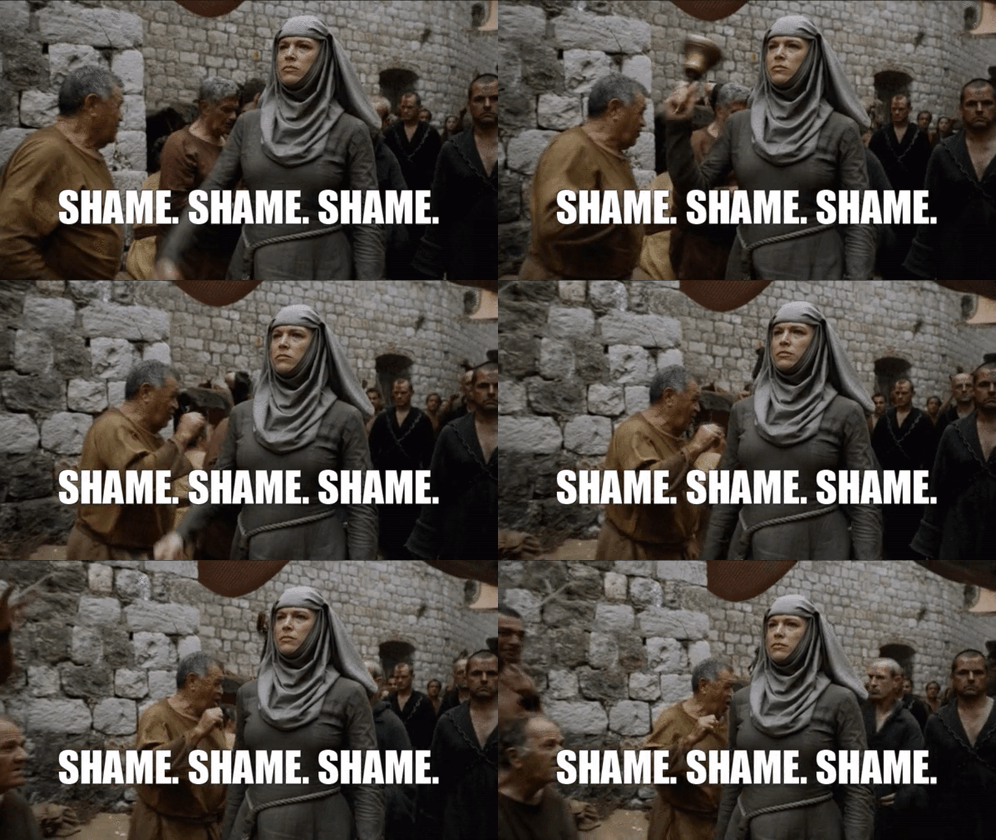
Final Verdict
Smoked paprika is the spice equivalent of eyeliner: indispensable, dramatic, and perfect for days when you need to feel like your life has a touch more depth and structure. Keep a jar (or two) in your pantry. Use it liberally. Impress people with your “effortless” smoky flavors. Pretend you know how to operate a smoker.
I won’t narc on you.
References
Oulton, R. (2018, June 6). Pimenton de la Vera. CooksInfo Food Encyclopedia. https://www.cooksinfo.com/pimenton-de-la-vera
Food and Wines from Spain (2023, January 31). Meet Pimentón De la Vera – The Red Smoky Spanish Sensation! FWS. https://www.foodswinesfromspain.com/en/food/news/2023/january/pimenton-de-la-vera—the-smoky-spanish-sensation-
McCormick Science Institute. (n.d.). Paprika. McCormick. https://www.mccormickscienceinstitute.com/resources/culinary-spices/herbs-spices/paprika
MySpicer (2014, January 17). Thee history of paprika. Rocky Mountain Spice Company. https://www.myspicer.com/history-of-paprika/
Falkowitz, M. (2020, July 16). Spice Hunting: A Guide to Paprika. Serious Eats. https://www.seriouseats.com/spice-hunting-a-guide-to-paprika
Aloise, L. (2023, October 25). The complete guide to Spanish paprika. Spanish Sabores. https://spanishsabores.com/a-short-history-of-spanish-paprika/
The Spice House. (n.d.). Spanish smoked sweet paprika. https://www.thespicehouse.com/products/smoked-spanish-sweet-paprika-pimenton-de-la-vera-dulce?gad_source=1&gad_campaignid=18479276085&gbraid=0AAAAAD-pEyHYNIlUk3edeuQbSNMHrTt6S&gclid=EAIaIQobChMIrJDZ2qutkQMVZAytBh3cGD1gEAAYASAAEgIDWvD_BwE


1 thought on “Smoked Paprika: The Spice That Thinks It’s Hotter Than It Actually Is (But We Love Her Anyway)”