
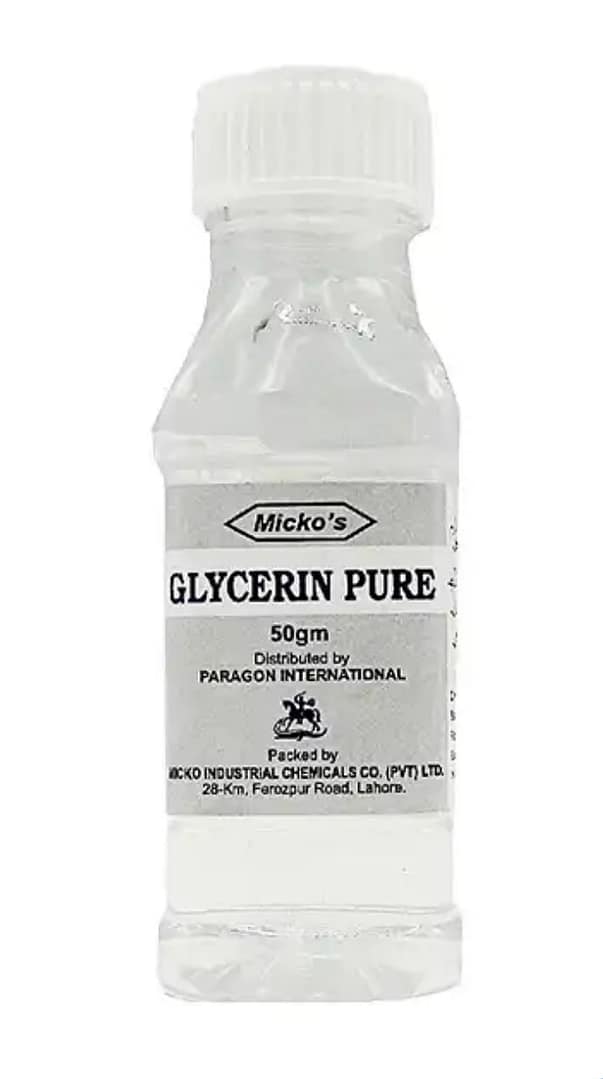
If cosmetic ingredients had a VIP lounge, glycerin would be lounging in cashmere joggers with a glass of iced water — calm, reliable, and somehow in every single party pic. It’s the humectant that doesn’t chase hype but still gets into everything from $120 creams to your grandma’s old Neutrogena. Where Glycerin Actually Comes From Glycerin (also glycerol) was first produced way back in 1779 by Swedish chemist Carl Wilhelm Scheele in the process of heating olive oil with lead oxide. Yes, it was that long ago. It occurs naturally in fats and oils (animal or plant) and today is mostly made from plant oils like palm, coconut, or soy.
Tag: cosmetic ingredient
Pentylene Glycol — A Deep Dive
Listen: pentylene glycol is the quietly useful guest at the skincare party who brings the dip, the playlist, and somehow also fixes the Wi-Fi. It’s boring on paper (a short-chain diol), but it shows up everywhere! From your fancy hydrating serum to that drugstore hand cream you impulse-bought in the checkout line. Let’s unpack what it is, how it’s used, whether it’s secretly evil, and why brands love it so much. What the Heck Is It? Pentylene glycol (INCI: Pentylene Glycol, sometimes appearing as 1,2-pentanediol) is a small, water-soluble glycol… Basically a humectant/solvent with some antimicrobial oomph. It’s a lab-made (synthetic)
Avène Thermal Spring Water: The Ingredient That Thinks It’s Better Than Other Water (And Might Be Right)

So here’s the thing—I kept seeing Avène Thermal Spring Water in Avène products, and I had questions. Why does this brand have its own special water? Is it actually doing something, or is this just another case of fancy French marketing? Am I about to get scammed by glorified water? Being the inquisitive (read: deeply skeptical) person that I am, I decided to dig into the science. Turns out, Avène’s water is different from the stuff coming out of your sink, and it might actually be worth the hype. Let’s break it down. What Is Avène Thermal Spring Water? Avène Thermal Spring Water is not just H₂O with