
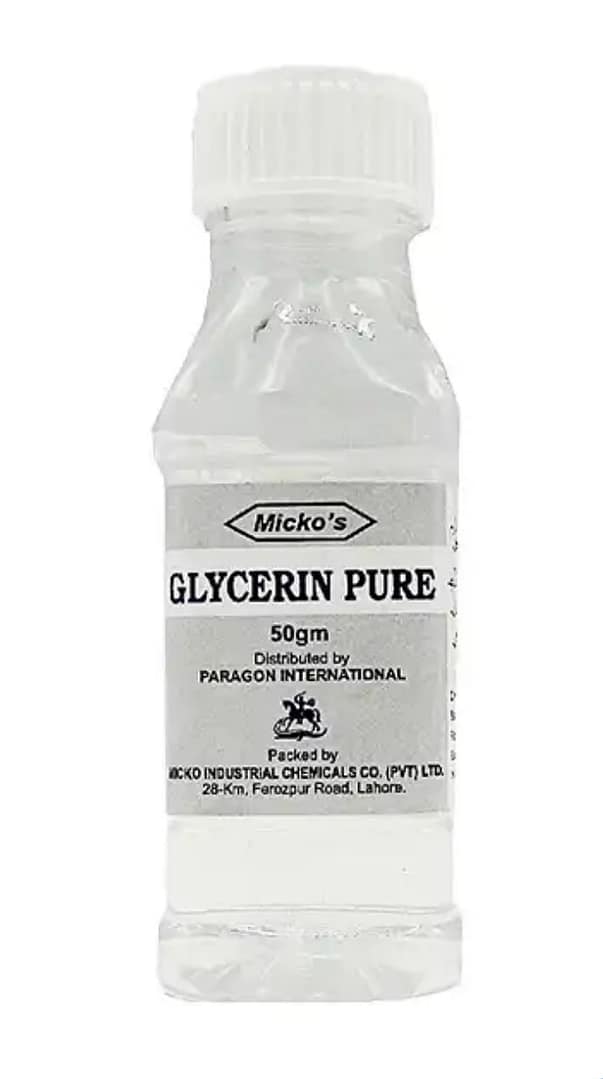
If cosmetic ingredients had a VIP lounge, glycerin would be lounging in cashmere joggers with a glass of iced water — calm, reliable, and somehow in every single party pic. It’s the humectant that doesn’t chase hype but still gets into everything from $120 creams to your grandma’s old Neutrogena. Where Glycerin Actually Comes From Glycerin (also glycerol) was first produced way back in 1779 by Swedish chemist Carl Wilhelm Scheele in the process of heating olive oil with lead oxide. Yes, it was that long ago. It occurs naturally in fats and oils (animal or plant) and today is mostly made from plant oils like palm, coconut, or soy.
Tag: cosmetics
Pentylene Glycol — A Deep Dive
Listen: pentylene glycol is the quietly useful guest at the skincare party who brings the dip, the playlist, and somehow also fixes the Wi-Fi. It’s boring on paper (a short-chain diol), but it shows up everywhere! From your fancy hydrating serum to that drugstore hand cream you impulse-bought in the checkout line. Let’s unpack what it is, how it’s used, whether it’s secretly evil, and why brands love it so much. What the Heck Is It? Pentylene glycol (INCI: Pentylene Glycol, sometimes appearing as 1,2-pentanediol) is a small, water-soluble glycol… Basically a humectant/solvent with some antimicrobial oomph. It’s a lab-made (synthetic)
Estée Lauder: The Grandma of Glam Who Refuses to Die (and Honestly? Good for Her)

Let’s be real: Estée Lauder has been around so long she’s practically a fossil in gold packaging. But somehow, this brand is still everywhere. It’s the makeup counter your grandma swore by, your mom trusted implicitly, and your Gen Z cousin is suddenly rediscovering through TikTok like she just unearthed buried treasure. So buckle up, buttercup. We’re diving into the glitz, the grind, the scandals, and the serums that refuse to quit. 💋 Origins: When Josephine from Queens said, “I will sell moisturizer like it’s Chanel No. 5” Estée Lauder started with a woman named Josephine Esther Mentzer. She was a
Sodium Chloride in Your Skincare: The Ingredient That’s Basically Table Salt With an Identity Crisis
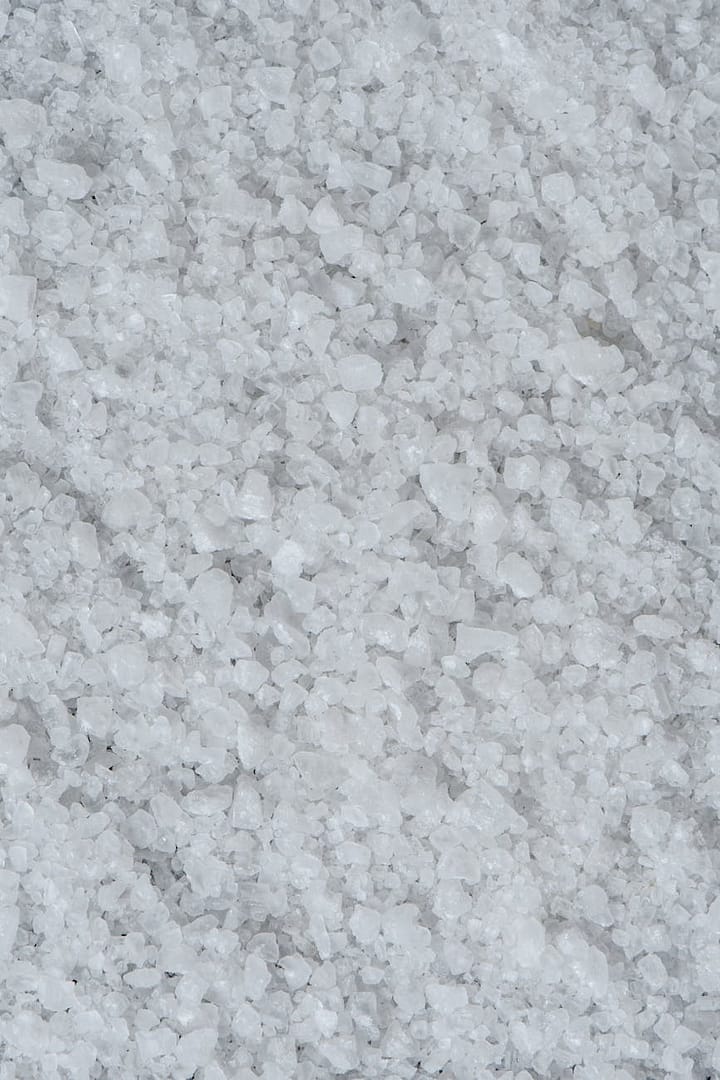
Let’s talk about one of the most common, most unassuming ingredients in your beauty cabinet: sodium chloride. Yes, babe. That’s salt. The same thing you shake onto fries and cry into during your third rewatch of Bridgerton. But in your shampoo? In your cleanser? In your exfoliating face scrub that costs more than your monthly coffee budget? Turns out, sodium chloride has been moonlighting as a cosmetic multi-tasker, and I, your nosy little ingredient detective, have thoughts. Many of them. Let’s dive in. 🧂 Origin Story: Salt, the OG Mineral Diva Sodium chloride is literally one of the oldest and most widely
Spotlight: Alix Coburn of I Covet Thee — Patron Saint of Cozy YouTube

Remember when YouTube wasn’t a circus of neon thumbnails and people screaming at you about their “life-changing” water bottle? Yeah. That’s where Alix Coburn comes in. Back in the golden era of I Covet Thee, she gave us calm, cozy vlogs that felt more like a chat with a friend than content engineered for the algorithm. The Cozy Queen of Comfort Content Alix had a gift: she could sit down, casually talk about a foundation, and suddenly you’d be convinced it was the missing puzzle piece of your existence. Her vlogs? Pure serotonin. They were slow, gentle, and cozy—like the YouTube equivalent of a
Sclerotium Gum: The Mushroom Goo That Holds Your Skincare Together
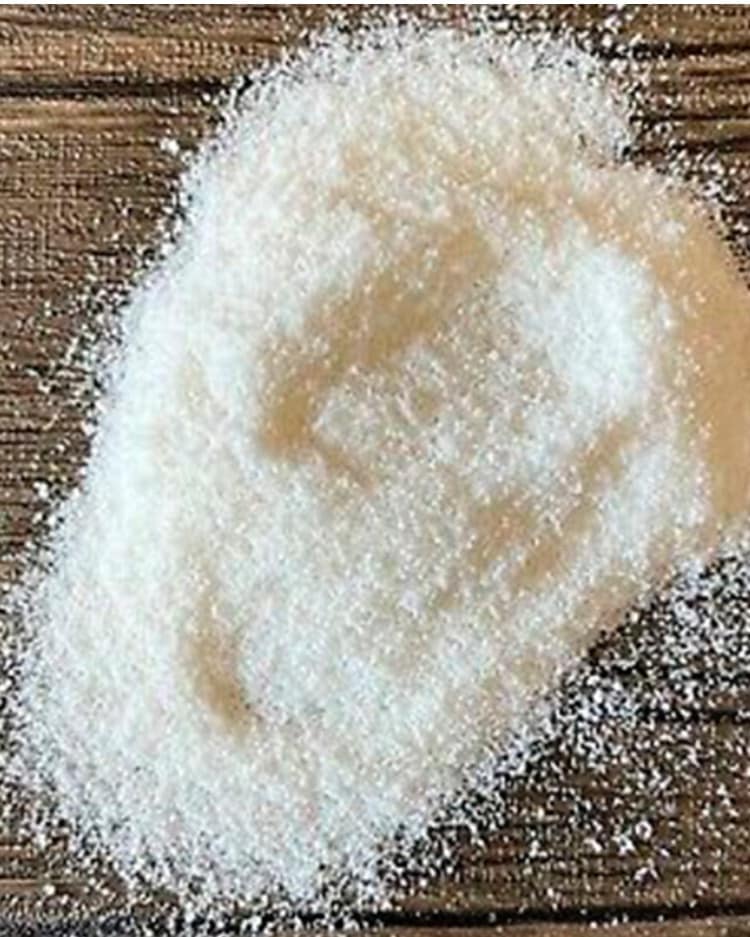
When you flip over your moisturizer and squint at the ingredients list like you’re trying to read the fine print of a sketchy lease agreement, chances are you’ve seen sclerotium gum hanging out near the bottom. It sounds like something that escaped from a high school biology textbook, but no. It’s in your skincare, and it’s probably doing more heavy lifting than you think. From Mushrooms to Moisturizer At its core, sclerotium gum is a polysaccharide, which is a big, science-y word for “a chain of sugar molecules that like to stick together.” Unlike some ingredients that are whipped up in a lab
PEG-40 Hydrogenated Castor Oil: The Ingredient That Won’t Quit
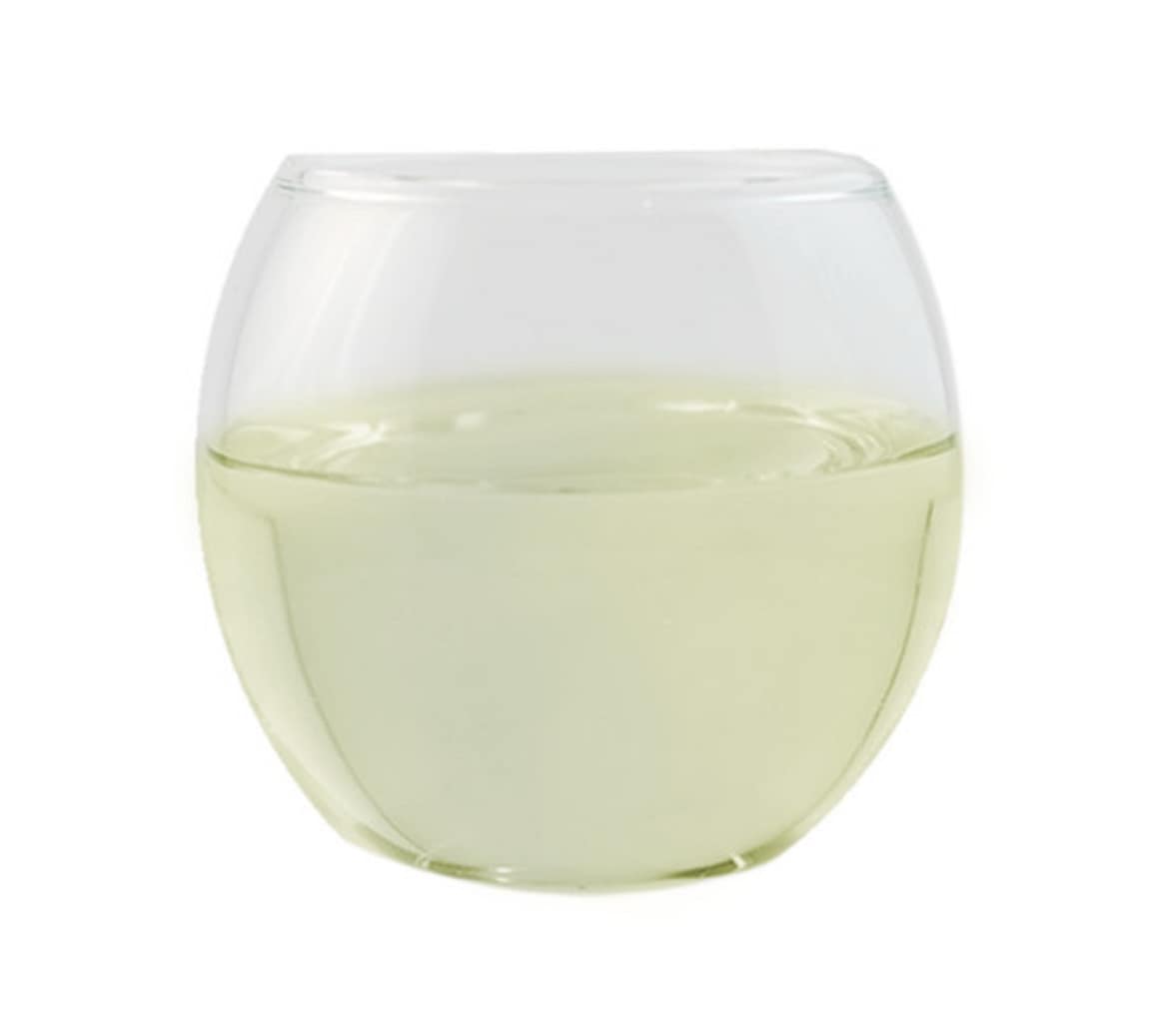
Ah yes, PEG-40 Hydrogenated Castor Oil. The kind of name that makes you wonder if chemists are just mashing the keyboard at this point. Spoiler: they’re not. This little multitasker has been hanging around the cosmetic industry longer than TikTok trends last (and honestly, more reliably). Let’s dig into what it is, why it exists, and whether or not you should care. Origins: From Grandma’s Laxative to Your Lip Gloss First, the “castor oil” part. Castor oil comes from the seeds of the castor bean plant (Ricinus communis). Yes, the same plant that produces ricin — the extremely deadly poison featured in like,
The Scented Truth: Fragrance in Cosmetics
You know what sucks? Spending $85 on a moisturizer that smells like a botanical garden and then finding out it might be ruining your skin barrier and inflaming your sinuses. Welcome to the chaotic world of fragrance in cosmetics—where everything smells suspiciously like roses, but costs more than your student loan payment. Let’s sniff our way through the history, science, and scandal of cosmetic fragrance. Yes, that’s a sentence I just typed on purpose. 💐 A Brief History of Smelling Fancy Fragrance in cosmetics is not new. Ancient Egyptians were slathering themselves in scented oils around 3000 BCE because hygiene was a flex and a
Spotlight: Hung Vanngo — The Man Behind the Face

Let me paint you a picture. You’re scrolling Instagram. You see Karlie Kloss looking like a literal Renaissance painting. Selena Gomez with skin that glows like she bathes in moonlight and Serums Only Sold in Heaven. Kendall Jenner with the kind of softly smudged eyeliner that makes you whisper “teach me.” And in the comments? One name, over and over again: Hung Vanngo. At this point, I’m convinced the man doesn’t blend makeup—he whispers blessings into the brush. And as someone trying to claw her way out of a makeup rut (hi, it’s me, Kristen), I had to know more about him.
How to Find Your Undereye Bags and Actually Do Something About Them
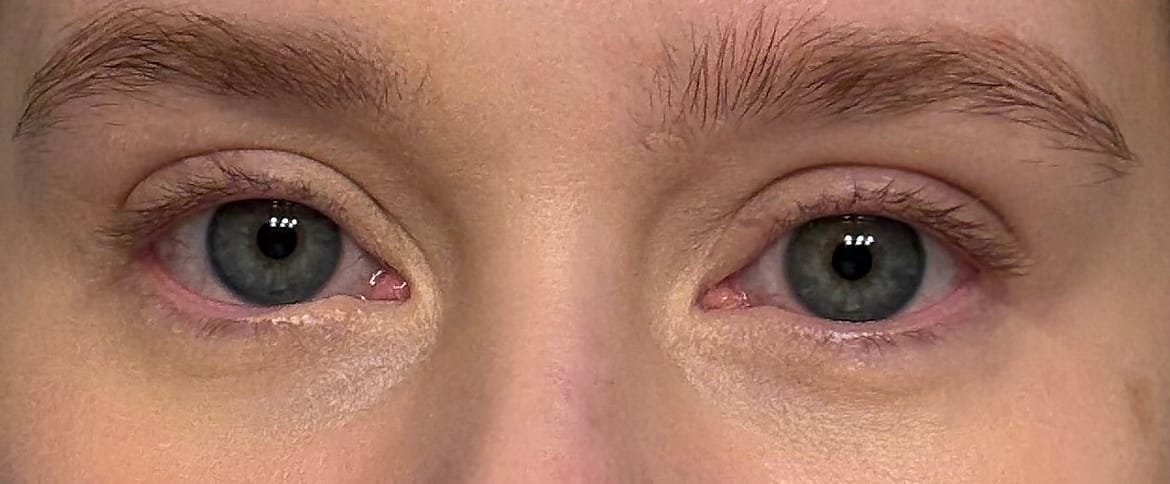
Let’s be honest: I don’t wake up looking like a glowy woodland fairy. Most days I wake up looking like I’ve been personally victimized by fluorescent lighting and unresolved trauma. And if you’re reading this, I’m assuming we’re in the same club. Welcome. We have concealer and emotional support water bottles. Now, let’s talk undereye bags. Not the cute “oh I stayed out too late dancing” kind, but the “I haven’t slept properly since 2007 and I might cry at any moment” kind. The kind that no amount of caffeine can fix—but the right technique can. Step 1: Meet Your Bags